Conquering Cancer Innovators Forum at London Life Sciences Week

London Cancer District celebrate collaboration and innovation at London Life Sciences Week

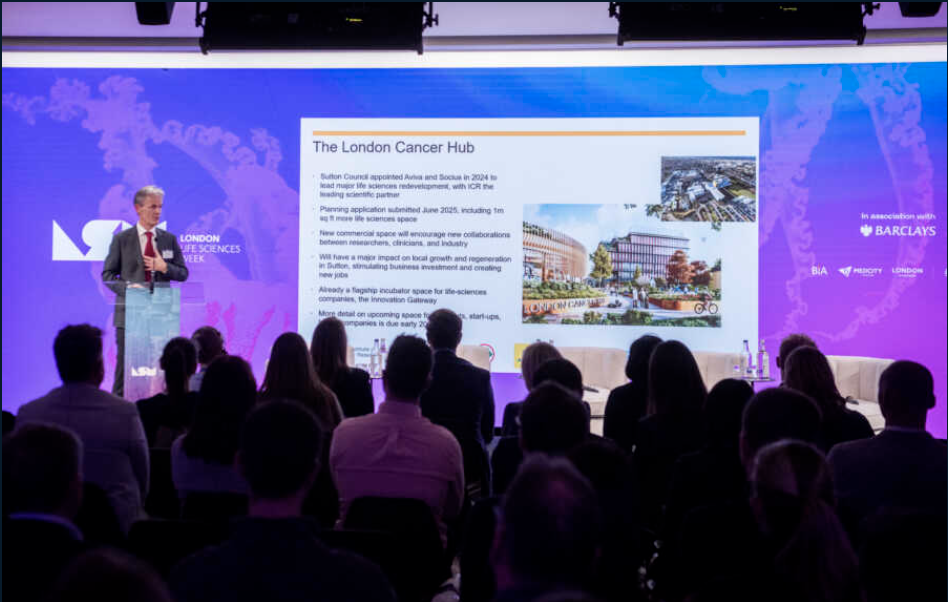
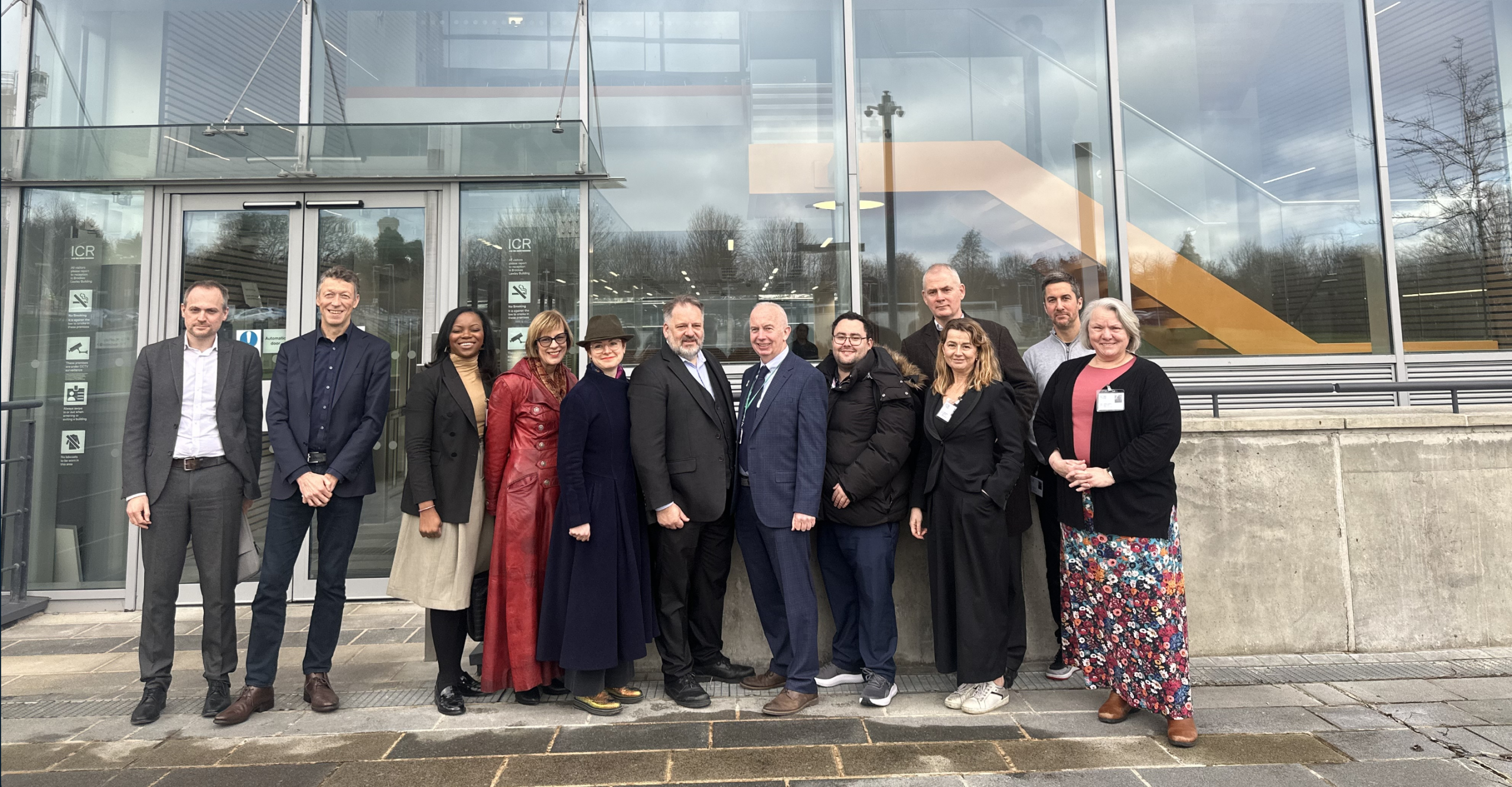
The London Cancer District were proud to host the Conquering Cancer Innovators Forum as part of London Life Sciences Week 2025; a landmark event that brought together leading minds in oncology, research, entrepreneurship, and healthcare to accelerate progress in cancer innovation.

The event welcomed a vibrant community of researchers, entrepreneurs, investors, clinicians, and healthcare system stakeholders and was expertly chaired by Claire Cockerton.

Showcasing London as a Global Oncology Hub

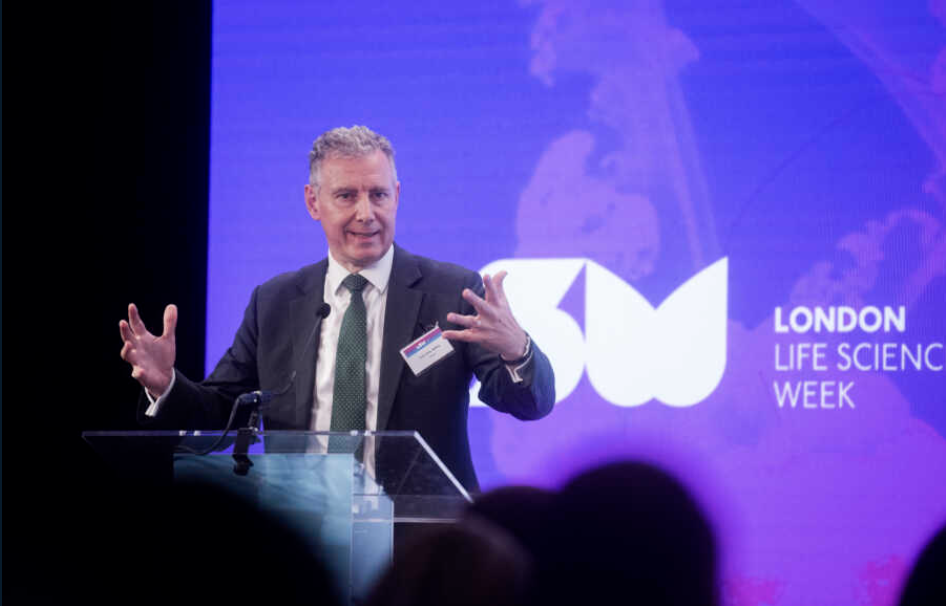
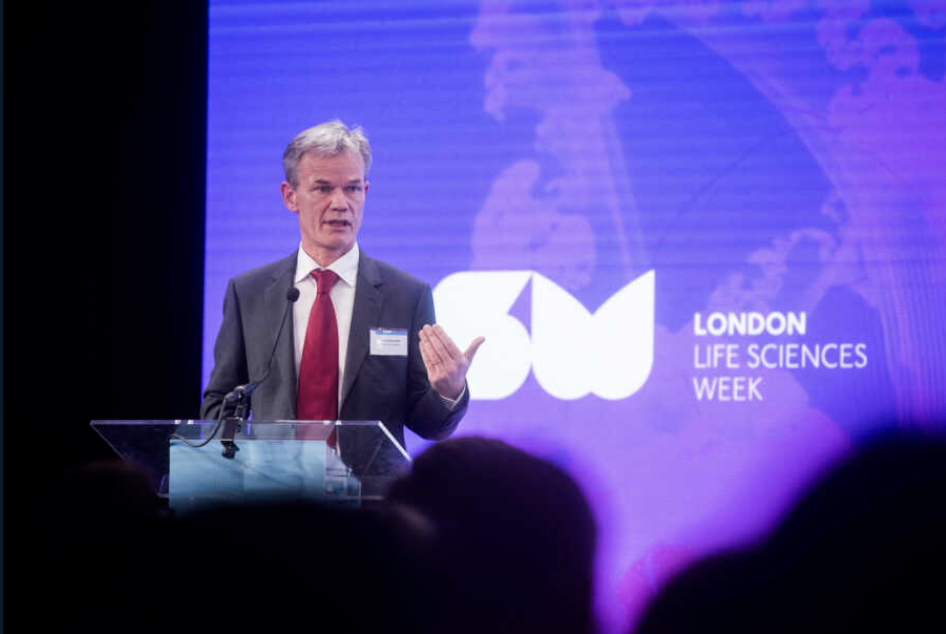
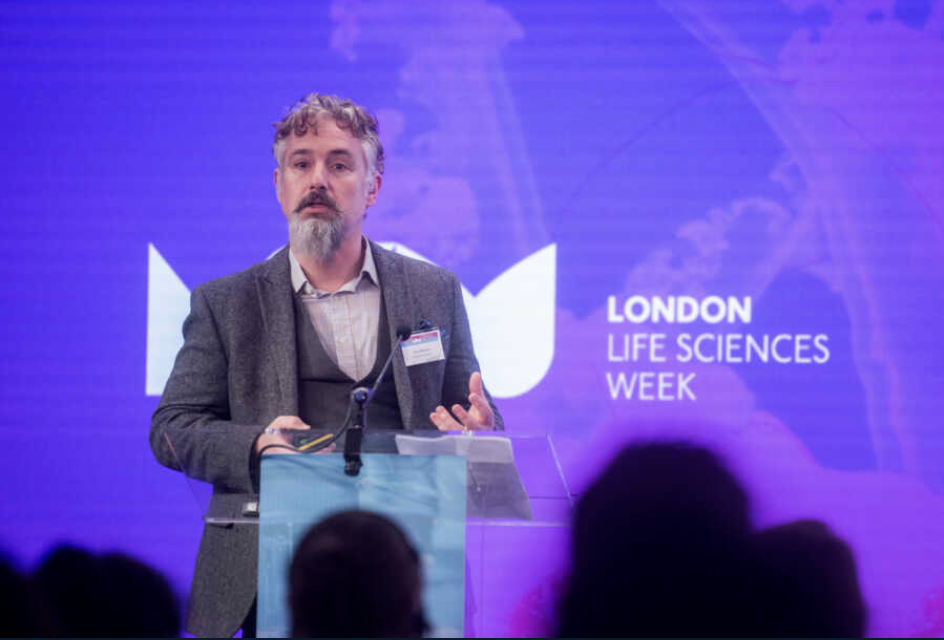
The evening opened with keynote addresses from Prof. Chris Molloy, CEO of Medicines Discovery Catapult, who explored why the UK is fast becoming Europe’s leading oncology innovation hub, and Prof. Kristian Helin, CEO and President of The Institute of Cancer Research, who shared insights from the frontiers of molecular biology and cancer research.

Honest, insightful discussions and collaboration

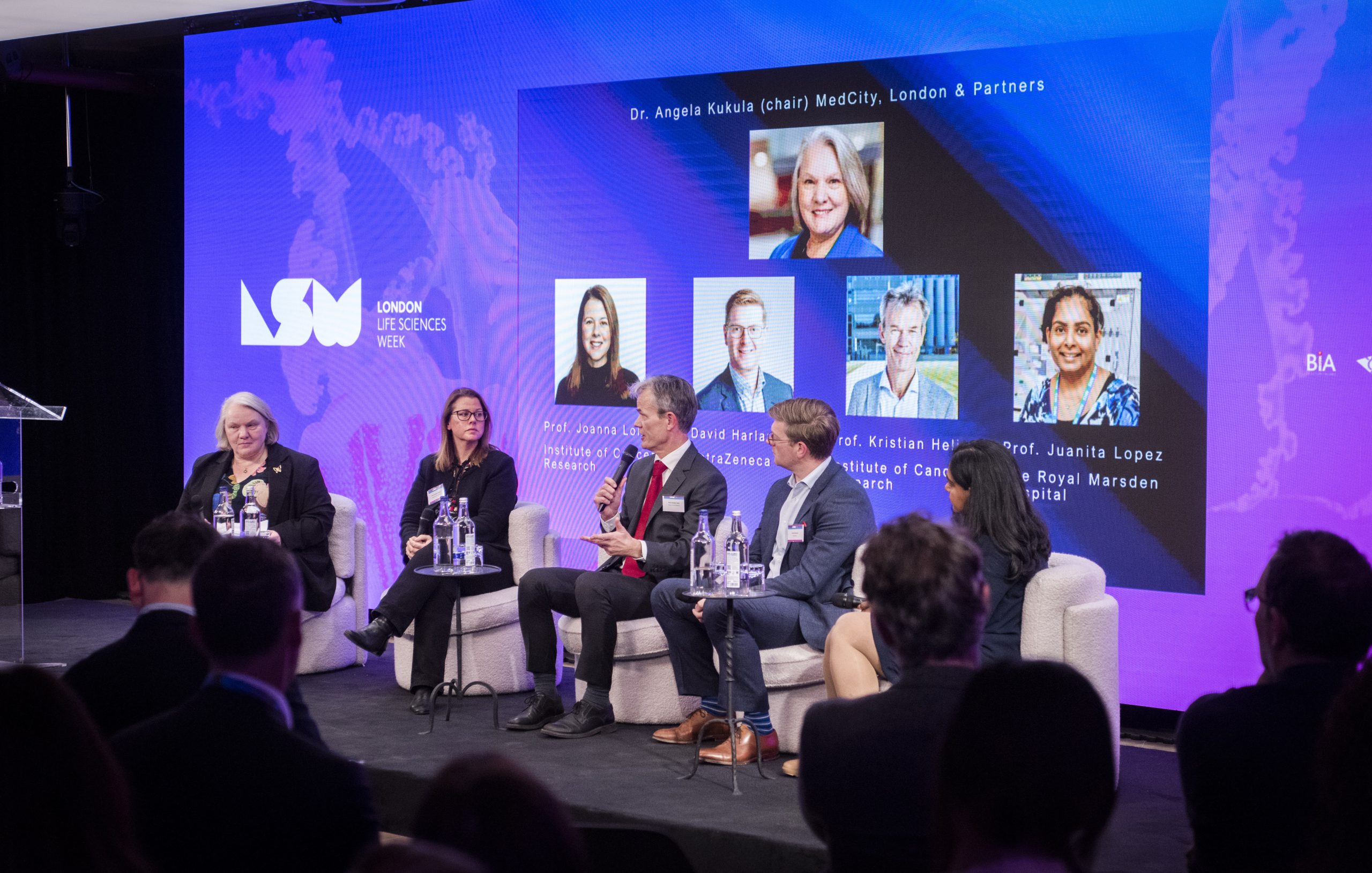
A dynamic panel discussion, chaired by Dr. Angela Kukula of MedCity, brought together Prof. Joanna Loizou, David Harland, Prof. Juanita Lopez, and Prof. Kristian Helin to discuss the next chapter in oncology innovation. The conversation highlighted London’s unique strengths in translating research into clinical breakthroughs, the importance of integrated models combining research, clinical care, and education, and the vital role of collaboration at both local and national levels.

Spotlight on start-ups and patient perspectives

The forum featured rapid-fire presentations from seven pioneering start-ups supported by the Cancer Tech Accelerator, showcasing advances in surgical visualisation, AI-driven drug discovery, novel medical devices, and cancer vaccines. These innovators are tackling some of the most pressing challenges in oncology, from improving surgical outcomes to enhancing drug delivery and reducing toxicity.

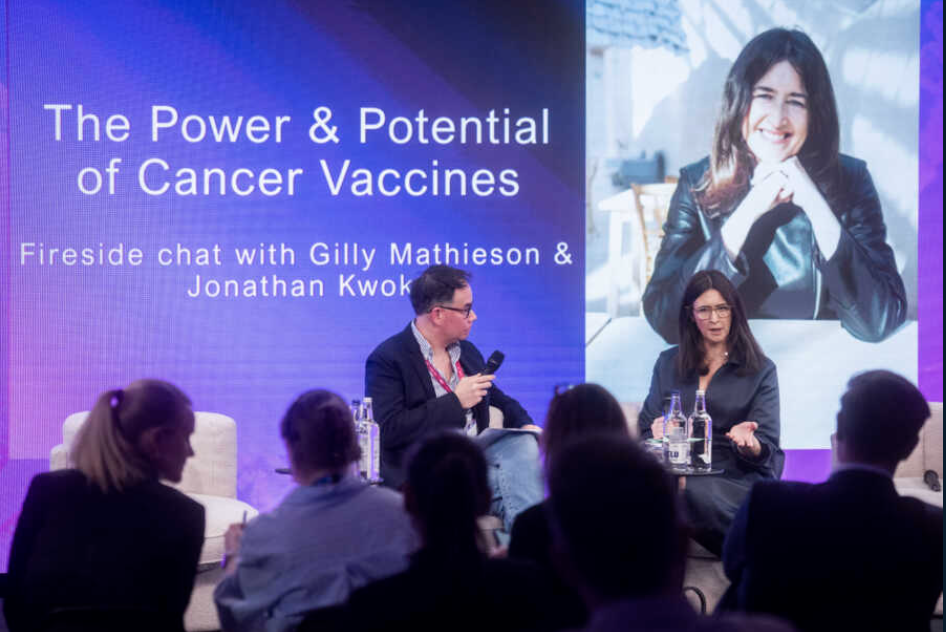
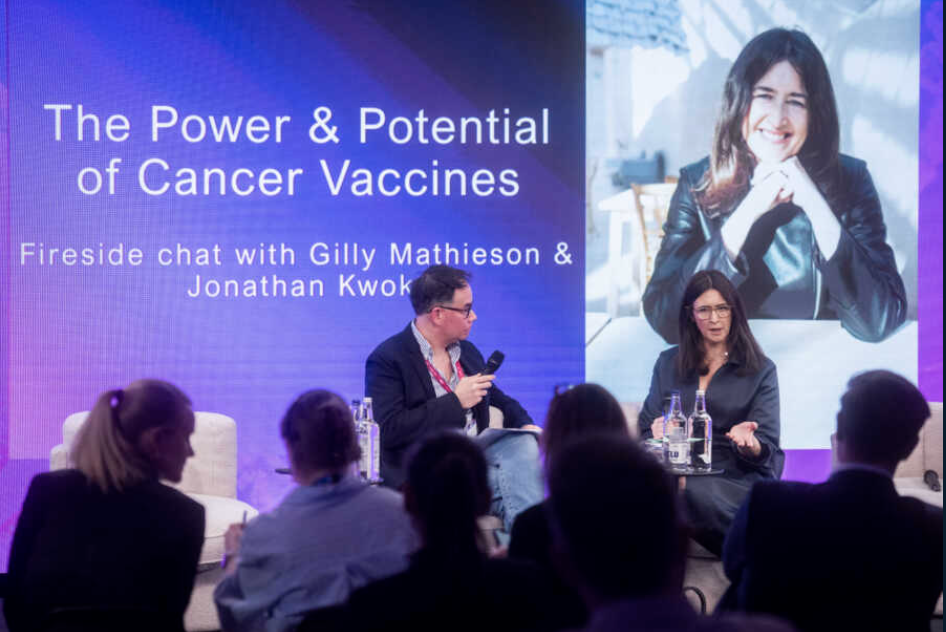
A moving fireside chat brought the patient perspective to the fore, with award-winning journalist and cancer advocate Gilly Mathieson sharing her personal journey and the transformative potential of cancer vaccines, alongside Jonathan Kwok, CEO of Infinitopes. Their discussion underscored the human impact behind scientific breakthroughs and the importance of communication between clinicians, researchers, and patients.

Thank you to everyone who made the Conquering Cancer Innovators Forum a success. Together, we are building a world-class ecosystem for cancer research, innovation, and patient impact.


UK Life Sciences Sector Plan: A New Era for Innovation and Growth

The UK Government has unveiled a bold new Life Sciences Sector plan, aiming to position the UK as Europe’s leading life sciences economy by 2030. and third globally by 2035. With over £2 billion in public investment, the strategy aligns the UK’s Industrial Strategy with its national health mission, unlocking transformative potential across research, manufacturing, and clinical innovation.

What this means for the London Cancer District

The plan’s six priority actions offer significant opportunities for the Cancer Hub and its partners:

  • Faster clinical trials: New mandates will cut commercial trial setup times to under 150 days by 2026, streamlining governance and boosting NHS transparency.
  • AI-Ready health data: Up to £600 million will support a unified platform combining genomic, clinical, and diagnostic data—accelerating precision medicine.
  • Manufacturing investment: £520 million will attract global projects and strengthen UK supply chains, supporting occupiers scaling up R&D and production.
  • Simplified NHS procurement: A new ‘Innovator Passport’ and Rules-Based Pathway will ease access to NHS markets—vital for MedTech and diagnostics firms.
  • Regulatory reform: MHRA and NICE will collaborate to fast-track approvals, especially for AI and MedTech innovations.
  • SME growth support: Tailored support for 10–20 high-potential UK life sciences companies each year, plus new global strategic partnerships.

These developments reinforce the London Cancer District’s position as a leading destination for biotech, MedTech, and precision medicine businesses.

Daniel May, Director at Socius says: “The UK is home to leading academic institutions and is at the forefront of medical research but the challenge is getting new treatments from ‘bench to bedside’ as quickly and efficiently as possible. Collaboration is at heart of the Government’s Plan for Life Sciences and it is vital we have the physical infrastructure to enable this. By developing specialised eco-systems that bring together researchers and clinicians with leading life sciences companies we can supercharge investment and treatment development. This is the core principle that underpins our plans at the London Cancer District.”

Click here to read the full Life Sciences Sector Plan. 


London Cancer District developers eye strategy over serendipity, writes Estates Gazette

Evelina Grecenko from Estates Gazette has featured the London Cancer District this week, highlighting its role as a blueprint for future life sciences clusters in the UK. The article explores how the District is creating a globally competitive ecosystem that brings together life sciences companies, The Institute of Cancer Research, and The Royal Marsden to drive innovation, research, and collaboration.

You can read the full article below:

Life sciences is one of the sectors with the greatest growth potential over the next decade, according to the industrial strategy published last week by the UK Department for Business and Trade. Although the government has yet to reveal a bespoke sector plan, the developers behind the London Cancer District have suggested their strategy for the £1 billion  specialist cluster may be reproduced at other sites across the UK.

The London Cancer District has already been named as a leader in cancer research in Europe. It will be the world’s largest cancer life sciences district, once its 12.4-acre expansion, delivered by Aviva Capital Partners and Socius, completes.

Estates Gazette caught up with the stakeholders at the campus to find out how the 10-year plan could help build a globally competitive, self-sustaining, life sciences ecosystem across the country, supporting entrepreneurs to scale and remain in the UK.

A place to start and grow

Last month, outline proposals spanning 974,500 sqft of research and laboratory space, designed by Gensler, were lodged with a move to add critical mass to the campus and help it to cater to innovators from the earliest stages.

The future spaces are expected to build on the success of the Innovation Gateway building, which opened in 2022 offering 6,300 sq ft of incubator space and 3,500 sq ft of labs. It has become home to precision oncology company Curesponse, biotech firm Epistemica, healthtech company Vesynta and anti-cancer targets discovery specialist Vortex Biotech.

The latter recently consolidated its operations to the UK, having closed its facilities in the southern part of the San Francisco Bay Area in the US. The relocation was “a very attractive proposal”, said Paul Reeves, chief executive of Vortex, who told Estates Gazette that “it’s become so expensive over there to be where the action is. In the US, the compound costs on the periphery of the Silicon Valley, ‘and the periphery is still too expensive’, Reeves added.

“If we think about London, we find ourselves within the London Cancer District, on a campus with world-class preclinical and medical institutions, The Royal Marsden Hospital and The Institute for Cancer Research,” Reeves said. “In terms of location, it couldn’t be much better for us. But what we need, and what every life sciences company needs, is high-quality, purpose-built laboratory space – and there’s a shortage of wet lab space in London.”

Vortex was established 12 years ago at the University of California in Los Angeles, but hit its most recent pivot point in 2020, when it was acquired by Net Scientific and EMV Capital. The deal has helped the company to move its technology into commercialisation phase.

Reeves said: “We consider Vortex to still have a startup mentality, because we are on that commercial push right now, but we went through different phases of the business. Sometimes we needed to grow, sometimes we needed to contract, and a lot of life sciences companies face this challenge. Therefore, we’re looking for turnkey solutions so that we can move in and move out without a very long lease making growth or contraction more difficult than it needs to be.”

According to Reeves, lease flexibility is “quite common” in the US, but less so in the UK, with overseas competitors pushing to remove as many obstacles as possible, with involvement at both federal and the state level.

Reeves said: “[At Silicon Valley] it can be as simple as you take a metre of bench space, when you’re at the very early stages, and you can use millions of pounds worth of capex equipment in a core facility which is next door. Then, as you grow, you can take more bench space, or you can have your own dedicated lab. That’s the concept that would make life easier for a life sciences company in the UK.”

Enabling R&D

Through the proposed expansion of London Cancer District, the developers aim to move science occupiers away from the typical co-location model by creating spaces that encourage collaboration.

Olaide Oboh, managing director at Populate, an independently run place management company owned by Socius, told Estates Gazette: “What we really want is an ecosystem where people work together, and find the reasons to be next to one another. The difference between a cluster and an ecosystem is hope – that serendipitously you might all bump into each other and find ways to work. What we want to create is the infrastructure that enables people to collaborate.”

Populate is working with the Institute of Cancer Research and The Royal Marsden Hospital, which sit within the London Cancer District, encouraging them to be more open and allow the existing and future companies on site to use their unique milling rooms as well as get access to clinical trials and tissue culture.

Oboh added: “I think what those institutions have seen is that they can only grow to a limit before they need the private sector to come in and work with them, for them to also grow and thrive.

“We’re running a physical space, Innovation Gateway, we’re managing that building and the tenants, supporting them in their growth ambitions, connecting them with Institute of Cancer Research and The Royal Marsden Hospital, but also with other parts of the science ecosystem across London.”

Driving innovation

Having mixed all the necessary ingredients to create a thriving innovation environment within a single specialist cluster, the next challenge is to make sure they’re interconnected.

Oboh said: “I think there’s not enough collaboration between the major science parts of the UK. We should be talking to one another; we should partner and work together so that we’ve got a united voice about what we think is important.”

Jon Wilkinson, director of business and innovation at the Institute of Cancer Research, added: “We’ve got researchers working in different labs, focused on their own thing, but when they come together new research ideas, collaborations and opportunities come forward. So creating an open, flexible and engaging framework for clinicians to come together with manufacturing people, data people, math-driven people, biologists, is key for the exciting stuff to happen.

“That’s one of the parts that government can do. I think the other bit is if we look at the base of the research we’ve got in the UK, it’s globally competitive but the size of investment through the different stages to grow companies tends to be a bit smaller.”

So far, the UK government has committed to support development of the innovation sectors through increased funding for small- and medium-sized enterprises as well as investment in technology training, engineering, digital and defence skills. The industry is awaiting the bespoke Life Sciences Sector Plan to guide further growth journey through to 2035.

Expansion of Sutton’s cancer district and town centre regeneration powering the capital’s growth

London’s Deputy Mayor for Business and Growth, Howard Dawber, praised the Council’s ambitious regeneration plans during a recent visit to Sutton, hosted by Leader of the Council, Councillor Barry Lewis.

The Deputy Mayor commended the “fantastic work taking place across the borough to support London’s Growth Plan,” specifically citing the expansion of the the London Cancer District and Sutton town centre’s regeneration.

The Leader and Deputy Mayor were joined by the Chief Executive Officers of London and Partners, Laura Citron OBE, and MedCity, Dr Angela Kukula, where they learnt more about Aviva and Socius’ plans to expand the London Cancer District.

This follows the Council’s landmark deal with the partners to advance the development of the five-hectare site adjacent to the renowned Royal Marsden Hospital and the globally- recognised Institute for Cancer Research. The partnership will deliver one million square feet of research, treatment and innovation spaces alongside amenities for local people and visitors.

In Sutton town centre, they visited Oru Sutton and the St Nicholas Centre, which the Council’s development partner Generate Kajima Regeneration Ltd will refurbish to create a new civic hub with improved retail, leisure and public spaces.

Leader of Sutton Council, Councillor Barry Lewis, said: “It was a pleasure to welcome the Deputy Mayor to Sutton and show him some of the innovative projects and schemes that Sutton is taking forward to drive growth in the borough, create jobs and support our local businesses.

“We are ambitious to do more and look forward to working with the London Mayor and the government to continue this work.’’

Deputy Mayor for Business & Growth, Howard Dawber, said: “It was a pleasure to visit Sutton Council and see the innovative work taking place across the borough.

“It was particularly inspiring to tour the new London Cancer District, where the Institute of Cancer Research and Socius are working to create a world-leading cancer research and life sciences institute.

“Growth increasingly happens in hubs outside the city centre, like here in Sutton and the Mayor and I will continue to support new growth clusters as they create jobs and opportunities for Londoners. Together we can build a better, fairer and more prosperous London for all.”

Laura Citron OBE, Chief Executive Officer of London and Partners, said: “Sutton is already playing a pivotal role in bringing the London growth plan to life, thanks to its world-class life science offer at the London Cancer District and an upcoming regenerated town centre.

“The borough has all the potential to lead the future innovation of our capital, and we are committed to working together to unlock even more investment pathways for businesses and residents alike.”

Dr Angela Kukula, Chief Executive of MedCity, said: “Sutton shows exactly why now is an exciting time to be working in London’s life science sector.

“Bringing together world-class research at the Institute of Cancer Research (part of the University of London), exemplary cancer care at the Royal Marsden Hospital and multi-million pound investment into commercial and community spaces, projects like the London Cancer District demonstrate the crucial role of life sciences in driving the capital’s economic growth and innovation.

“I’m really looking forward to seeing the development of the borough as it becomes a centre for delivering the next generation of cancer treatments.”

Curesponse: collaboration in action at London Cancer District

We caught up with Dr. Sandra Hanks, director of Curesponse’s UK Laboratory at the Innovation Gateway

Nestled within the London Cancer District is the Innovation Gateway, where a range of companies are delivering groundbreaking advances in life sciences and drug discovery.

The facility, a partnership between The Institute of Cancer Research (ICR) and Sutton Council, is home to the personalised cancer medicine start-up Curesponse, the only business of its type in the UK.

We caught up with Dr. Sandra Hanks, the director of its UK Laboratory, to learn more about her team’s discoveries and why collaboration is key in the fight against cancer.

Please can you tell us a bit about Curesponse and its objectives?

Curesponse is a commercial-stage precision oncology company, founded in Israel, that has developed cResponse™, a unique genomic-functional personalised cancer medicine platform which evaluates drug response in patient tumour tissues.

The cResponse™ platform combines rapid genomic sequencing with a functional assay that preserves the tissue’s architecture and microenvironment, enabling prioritisation of different therapeutic options for cancer patients. The technology works across the full therapeutic modality spectrum including chemotherapies, targeted therapies, immunotherapies and combinations of different drugs.

The test provides a critical decision-support tool for oncologists that enables more precise and personalised treatment planning. cResponse™ is also utilised by pharmaceutical companies to accelerate the discovery and development of new cancer drugs. Our mission at Curesponse is to enable truly personal therapy selection for cancer patients and expedite cancer R&D.

What does your role as UK Laboratory Director involve?

I am responsible for the overall operation and administration of our UK laboratory. This includes the recruitment and management of laboratory staff, equipment maintenance, safety, quality assurance, regulatory compliance and ensuring the accuracy and reliability of test results.

What do you enjoy most about your role?

I enjoy that I get to work with experts in their field and being part of a company that has developed a groundbreaking innovative test which has the potential to offer significant benefit to those treating cancer and their patients, as well as accelerating the discovery of new cancer drugs.

Are there any exciting projects or developments at Curesponse you’re able to share?

Curesponse is currently initiating commercial activities to support the clinical use of cResponse™ in the UK and EU, with expansion to the USA planned. We are also actively engaged in collaborations with 5 of the top 10 global pharmaceutical companies, including Roche, to accelerate their drug discovery pipelines.

What inspired you to pursue a career in the industry?

I have always been passionate about science and have spent most of my career working in the cancer field, previously in academia at the ICR where I completed my PhD, and subsequently as a Laboratory Manager at the Royal Marsden Hospital.

My move to medtech was inspired by the opportunity to be part of a company that had developed a groundbreaking test to directly impact patient outcomes and enhance the quality of healthcare globally.

Have there been any particularly rewarding moments in your career so far?

I have been very privileged to have the opportunity to set up the Curesponse UK operations which has included gaining UKAS ISO 15189 medical laboratory accreditation as well as CE marking of cResponse™, essential to enable its commercial launch in the UK and Europe. I am also very proud to have been part of the successful global clinical validation of cResponse™.

What excites you most about the future of Curesponse?

cResponse™ is the world’s first platform that can offer patients, oncologists and pharmaceutical partners a truly empirical test that captures the sensitivity and resistance of an individual tumour to different drugs and drug combinations within two weeks from tissue sampling. I am very excited that our platform is available in the UK and EU, with plans to expand to the USA, to assist clinicians in identifying optimal treatments for their patients and accelerating drug discovery in the pharmaceutical industry.

What do you like most about being based at Innovation Gateway?

Being located at Innovation Gateway offers Curesponse the opportunity to be part of the London Cancer District, with close proximity to world-leading organisations such as The Institute of Cancer Research and The Royal Marsden Hospital. This provides unique opportunities to establish new collaborations to advance cancer care and cancer research and save lives.

Have you partnered with any other occupiers at Innovation Gateway?

We have collaborated with The Institute of Cancer Research’s Core Research Facilities and their Flow Cytometry team to assist our R&D work and we are currently planning further collaborations with other teams within The Institute of Cancer Research’s Core Research Facilities.

Consultation launched for updated London Cancer District proposals

Latest plans shaped by more than 3,200 responses to previous consultations

Last chance for community to have their say before application submitted to Sutton Council

Impactful developer Socius and Aviva are seeking feedback from people living, working and visiting Sutton and the surrounding area on their revised proposals for the London Cancer District. Once complete, the life sciences development will become the world’s leading district for cancer research and treatment.

Over 3,200 responses to the proposals were submitted to the project team following previous rounds of public consultation held earlier this year. Socius and Aviva are now inviting members of the community to learn how their feedback has been used to help shape the development’s updated design.

Community events will be held this week, giving people the chance to give their views and share feedback on the latest proposals, with interactive activities such as bulb planting also taking place for children.

Under the final round of engagement, local people can see the new CGIs of what the development will look like and hear more about what’s planned for the development’s first phase. The consultation will also provide further information on proposed improvements to the local transport network, amenities and sustainability.

Members of the community can meet with London Cancer District’s project team at Harris Academy (Thursday 14 November, 17.30 – 20.30) and St Nicholas Shopping Centre (Saturday 16 November, 10.00 – 14.00).

From 13 November, people can see the plans and share views on the emerging proposals by completing an online survey at https://cancerhub.london/. Following this round of consultation, Aviva and Socius will review the feedback gathered before submitting a planning application to Sutton Council in early 2025.

Daniel May, Development Director, Socius, said: “We’re incredibly thankful to the 3,000+ people that have engaged with our proposals for London Cancer District so far.

“We have listened to the feedback previously shared and believe that these updated proposals deliver a place that local people can benefit from, whilst providing a world-class research facility that will put Sutton on the map.”

Sophie White, Sector Head for Regeneration, Aviva, said: “I would like to encourage everyone who lives or works in the Sutton area to come down to the events and share their views on the latest proposals for the London Cancer District.

“This project is a unique opportunity to build a world-class research facility that will create a lasting positive impact for the Sutton community and help the UK get ready for the future.”

Building on the groundbreaking work already provided by Institute of Cancer Research and Royal Marsden Hospital, the London Cancer District will deliver a new ecosystem of labs, research and commercial facilities that will attract researchers and scientists from around the world and accelerate the development of cancer treatments.

Plans revealed for world-leading cancer research district in Sutton

Aviva and Socius launch consultation giving public the chance to shape London Cancer District proposals

Major social economic benefits, including thousands of jobs and a significant contribution to the local and UK economy, will be generated by the development.

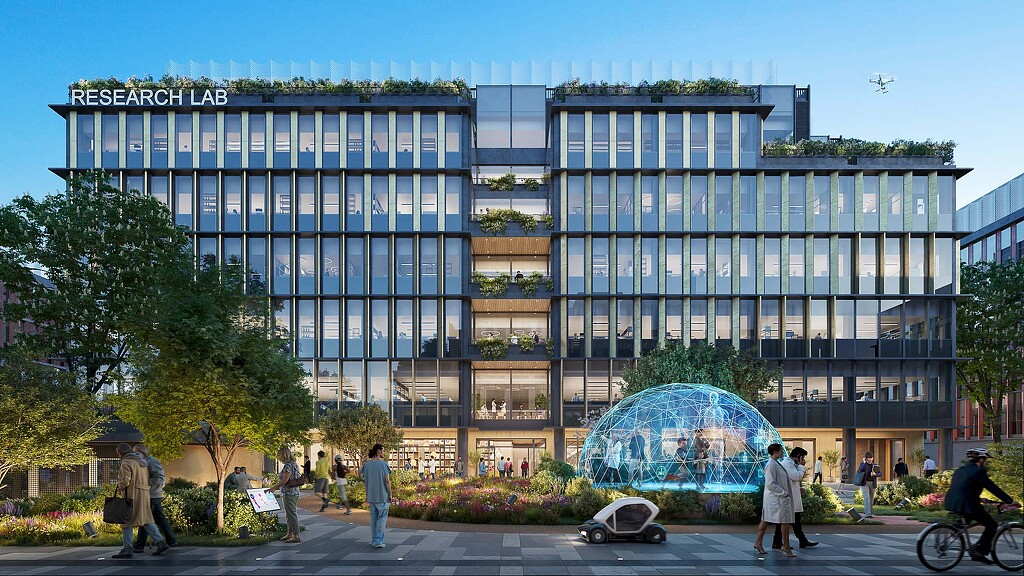
Indicative sketch showcasing the proposals for London Cancer Hub
Indicative sketch showcasing the proposals for London Cancer District

[London, Tuesday 9 July] Aviva and impactful developer Socius are asking people living, working and visiting Sutton and the wider area to share their views on new plans for the London Cancer District, a proposed development which aims to become the world’s leading district for cancer research and treatment.

Building on the groundbreaking facilities already provided by The Institute of Cancer Research and The Royal Marsden Hospital, the London Cancer District will deliver a new ecosystem of labs, research and commercial facilities that will attract researchers and scientists from around the world and accelerate the development of cancer treatments.

Aviva and Socius were selected by the London Borough of Sutton to develop the world-leading cancer research and innovation facility, which will consist of a one million sqft life sciences district across a five-hectare site.

Following an introductory round of consultation held in March 2024, members of the local community will have the opportunity to hear more about how previous feedback has informed the proposals, especially with regards to green spaces and local amenities.

People will also have the chance to share their views on the emerging masterplan and learn about the types of uses and buildings proposed across the new district. Additionally, they will be able to provide ideas for what temporary activities could be activated on the site in advance of the construction works.

A series of community events will be held in mid-July, giving people the chance to give their views and share feedback on the latest proposals.

Members of the community can meet with London Cancer Hub’s project team at Trinity Square on Sutton High Street (Saturday 13 July, 10am – 2pm, opposite Waterstones) or at drop-in events at Harris Academy Sutton (Tuesday 16 July & Thursday 18 July, both 5.30pm – 8.30pm).

In addition, from 12 July people will be able to see the plans and share views on the emerging proposals by completing an online survey at https://cancerhub.london/.

Sophie White, Sector Head for Regeneration, Aviva, said: “Aviva is investing significantly in critical areas of the UK economy. We are using our capital to generate long term income for our customers and help the UK to grow, with the London Cancer District representing an important part of that ambition. London Cancer District will provide world-class cancer research and bolster the UK’s ambition to be a leader in the life sciences sector.

“It is incredibly important that the site delivers for local people as well as for the scientific research community. This is a once in a generation opportunity to build something special in Sutton. We strongly encourage the local community to join us at a consultation event, hear more about the evolving plans and most importantly contribute their thoughts and ideas on the London Cancer District”.

Daniel May, Development Director, Socius, said: “We are pleased that over 1,400 local people have already shared their strong support for our scheme so far. We have committed to continuing to listen to feedback and these events will provide an opportunity to see how the plans are developing and give people the chance to contribute their thoughts and ideas. We hope that local residents can see that the designs are people centred, are knitted into the existing community and delivering places and amenities that people can benefit from, both now and for generations to come.”

Aviva and Socius announce plans for world leading cancer research district in Sutton

Aviva and Socius have been selected as the preferred investor/developer to advance the development of the world’s leading district for cancer research and treatment at the London Cancer Hub in Sutton.

Aviva and Socius will partner with landowner London Borough of Sutton, and work closely with the The Institute of Cancer Research, London, The Royal Marsden NHS Foundation Trust, Epsom and St. Helier University Hospitals NHS Trust, on the multi-phase development, which consists of a one million sq. ft. life sciences campus on a five hectare site.

Further investment and development will create a state of the art life science campus dedicated to research and treatment of cancer. The London Cancer Hub (LCH) will deliver major social and economic benefits including 13,000 highly skilled jobs in health, science, education and construction, c.£1.2bn GVA to the UK economy, and £12m increase in business rates.

Barry Jessup, Managing Director of Socius, said:

“This is a once in a generation opportunity to deliver a sustainable campus for excellence in cancer research. Our vision is to build on the ground-breaking facilities already provided by Institute for Cancer Research and Royal Marsden Hospital with a new ecosystem of labs, R&D and commercial facilities in a campus setting that will attract researchers and scientists from around the world and accelerate the development of ground breaking cancer treatments. We look forward to working with Aviva, London Borough of Sutton and key local stakeholders to develop our plans for the site.”

Charlotte Jones, Aviva’s Chief Financial Officer said:

“Aviva is investing significantly in critical areas of the UK economy such as housing, green energy and healthcare. We are using our capital to generate long term income for our customers and help the UK to grow. The London Cancer Hub will provide world-class cancer research and bolster the UK’s ambition to be a leader in the Life Sciences sector.”

Councillor Ruth Dombey OBE, Leader of Sutton Council, said:

“I’m delighted we have reached this stage in the process and I look forward to completing the deal and seeing the next phase of our ambitions for the London Cancer Hub delivered. The Centre will bring many benefits to Sutton, London and the rest of the UK through the creation of high quality jobs, education opportunities and space for growing businesses. It will also make Sutton home to an internationally recognised centre for the treatment and cure of cancer, discovering new drugs and most importantly, saving lives.”

Professor Paul Workman, Harrap Professor of Cancer Pharmacology and Therapeutics at The Institute of Cancer Research, London, said:

“We’re confident that new commercial space here at The London Cancer Hub will deliver great benefits – by encouraging innovative collaborations between academics, clinicians, and industry, by facilitating the kinds of breakthroughs that can only come from working across scientific and organisational boundaries, and by providing the new treatments for people with cancer that are so urgently needed.”

Dame Cally Palmer, Chief Executive of The Royal Marsden NHS Foundation Trust, said:

“We are privileged to have an exciting blend of scientific and clinical expertise at Sutton that consistently translates innovative ideas in drug discovery from the laboratory to the clinical setting for the benefit of cancer patients worldwide.

The London Borough of Sutton’s vision for The London Cancer Hub and invitation to biotech industry to move into commercial space onsite will strengthen our flourishing research community and create new opportunities for us to collaborate on developing cancer treatments for the future.”

Gillian Norton, Chairman, St George’s, Epsom and St Helier University Hospitals and Health Group, said:

“The Trust is excited about the potential of so many health-related facilities – our new hospital, new life sciences investment through the London Cancer Hub, and The Royal Marsden NHS Foundation Trust – sharing a site, amenities and infrastructure.

Cushman & Wakefield are advising the London Borough of Sutton.