Meet the first three projects backed by the London Cancer District Community Fund

Since launching, the London Cancer District Community Fund has been doing what it set out to do: putting money behind local people and organisations who make life better for the community around us. Three projects in, the results speak for themselves – hundreds of families, patients and residents already benefiting.

There is now an even easier way for local organisations to get started with crowdfunding. Eligible groups can receive a £250 crowdfunding boost to help launch their campaign, alongside the opportunity to access up to £5,000 in match funding through the London Cancer District Fund.

Here’s what the support has made possible so far.

Helping Sutton families navigate SEND, one workshop at a time

PlayWise is launching a free programme of practical SEND training workshops for parents and carers of disabled children and those with emerging special educational needs across Sutton. Covering everything from autism and communication to sleep, toileting and preparing for school, the sessions are designed to give parents real, usable strategies – not just information.

“Early support doesn’t just change outcomes for children – it changes lives for whole families, helping them feel more resilient, connected and hopeful for the future.”

By funding this programme, the Community Fund is removing the cost barrier entirely, so support reaches families regardless of circumstance.

Keeping the Ryan Centre moving

Through Crowdfunder and match funding from the Community Fund, the Ryan Neuro Therapy Centre raised an incredible £7,711 towards its ‘Keeping the Ryan Centre Moving’ campaign. This independent charity runs a specialist therapy centre in Surrey and South-West London, delivering around 40 classes a week including BoxFit, yogalates, Tilt Table and more, for 140 members living with neurological conditions.

“This funding is absolutely phenomenal – without our physios and trained assistants we wouldn’t be able to support our members to maintain and improve their gait, balance, flexibility, strength, mobility and fatigue. Thank you!” – Karen Williams, Physiotherapy Team Manager

The funding helps cover specialist staff costs and vital gym equipment, keeping the centre’s doors, and its community, open.

A year of free singing, for easier breathing

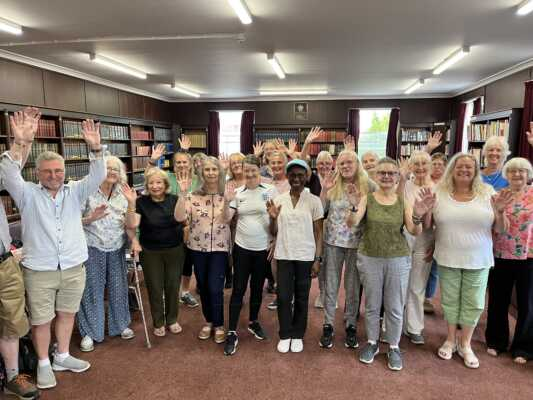
Sing Out Sutton Singing for Breathing group smashed its £5,000 Crowdfunder target, raising a final £5,316, boosted by £1,715 in match funding from the Community Fund. Run in partnership with the NHS Pulmonary Rehabilitation service in Wallington, the weekly sessions combine breathing exercises with group singing for people living with chronic lung conditions – and thanks to this funding, they’ll stay free for a whole year.

“Breathing difficulties can leave people feeling isolated, frustrated or low. This funding means our Singing for Breathing group can carry on being a lifeline for many – a place to build lasting friendships and learn powerful tools to breathe more freely.” – Vicki Hodges, Founder, Sing Out Sutton

We know there are more brilliant organisations in the Sutton area. If you run a local group, charity or initiative that could use some support, we’d love to hear from you. Further information can be found here.


Learning from Barcelona: strengthening the London Cancer District’s global perspective

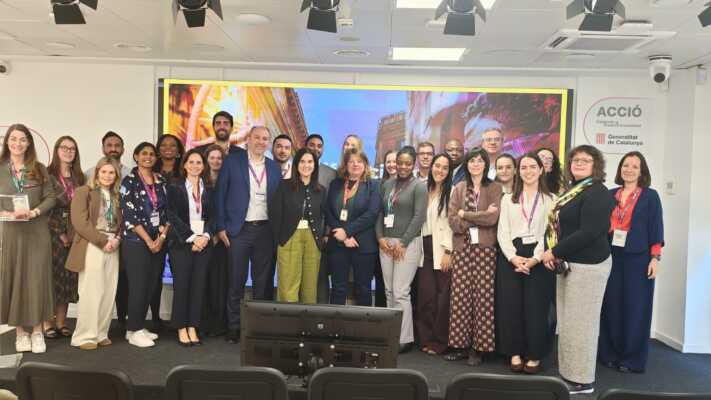
Over three days in Barcelona, one thing became immediately clear: world-leading life sciences ecosystems don’t happen by chance – they are deliberately designed to work together. Joining a MedCity and Grow London Global trade mission, the London Cancer District had the opportunity to learn first-hand from one of Europe’s most coordinated innovation clusters. What followed was a series of conversations and insights that not only showcased Barcelona’s strengths, but also sharpened the questions London must continue to ask as it builds a globally competitive life sciences ecosystem.

Peers from across London’s leading innovation districts, including Paddington Life Sciences, White City and the Knowledge Quarter, engaged with Barcelona’s health and life sciences community. Led by Deputy Mayor Howard Dawber, the mission provided an opportunity to step into a globally recognised ecosystem and learn directly from those shaping it.

Barcelona has established itself as one of Europe’s most coordinated and effective life sciences clusters. Through a series of meetings with researchers, clinicians, founders and system leaders, a consistent theme emerged: strong alignment across partners, and a shared focus on accelerating innovation to patients.

There is a clear sense of purpose across the ecosystem. Clinical, academic and commercial organisations are working in a more integrated way – with streamlined approaches to clinical trials, coordinated patient pathways, and a culture that actively enables collaboration rather than complicates it.

For the London Cancer District, these insights are directly relevant.

As one of the UK’s most ambitious life sciences developments, London Cancer District brings together world-leading institutions including The Institute of Cancer Research and The Royal Marsden NHS Foundation Trust, alongside development and investment partners. Its long-term vision is to create a globally significant centre for oncology research, treatment and innovation.

Delivering that vision requires more than high-quality buildings or infrastructure. It depends on how effectively the ecosystem functions, how easily partners can collaborate, how quickly ideas can move from research to clinical application, and how well the environment supports innovation at every stage.

London already has many of the ingredients required to lead globally: exceptional research capability, a strong clinical base, and access to capital and talent. But missions such as this highlight the importance of continually refining how those elements come together.

The questions for the London Cancer District, and for London more broadly, are clear:

How do we create the conditions for more seamless collaboration?

How do we reduce barriers between research, clinical practice and industry?

How do we accelerate the journey from discovery to real-world impact for patients?

These are not abstract considerations. They are central to the development of London Cancer District as a connected innovation district.

The value of this trade mission lies not in comparison, but in learning. The openness of colleagues in Barcelona to share their experiences reinforces the importance of international collaboration in tackling global health challenges.

As the London Cancer District continues to evolve, these insights will help inform how the district grows – strengthening partnerships, shaping the ecosystem, and ensuring that it delivers meaningful impact both nationally and internationally.

Progress in health innovation does not happen in isolation. It happens when ecosystems learn from one another, challenge assumptions, and move forward together.

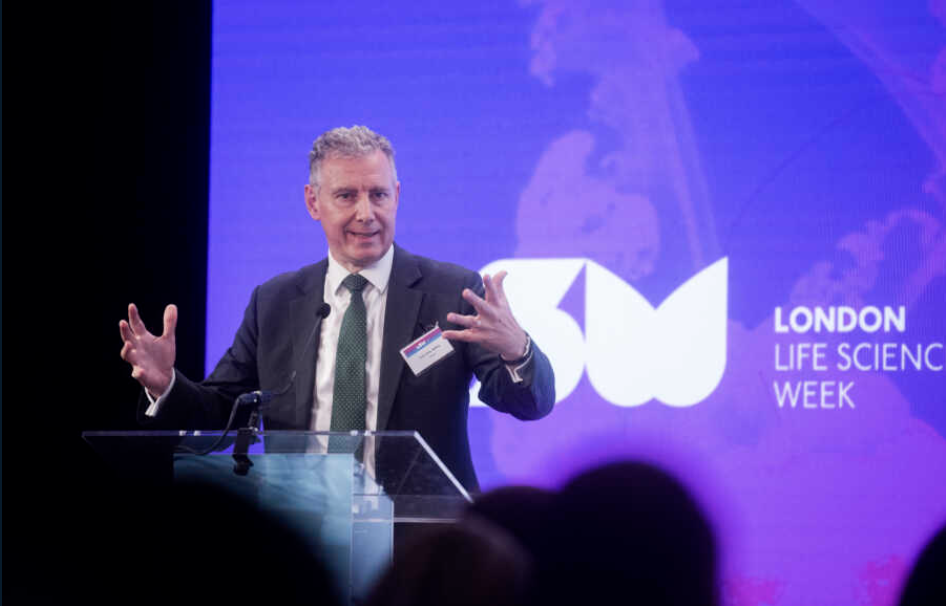
Conquering Cancer Innovators Forum at London Life Sciences Week

London Cancer District celebrate collaboration and innovation at London Life Sciences Week

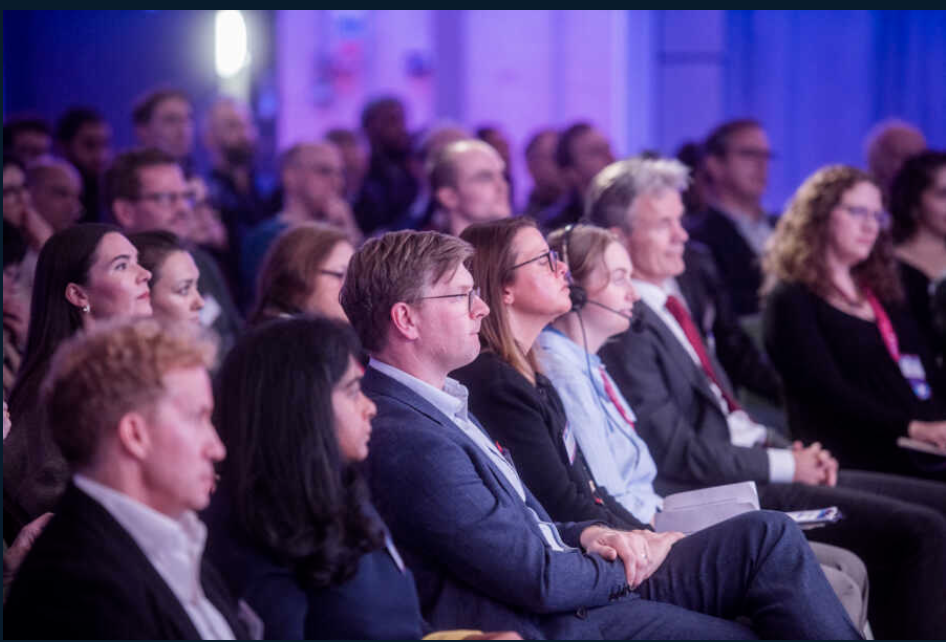
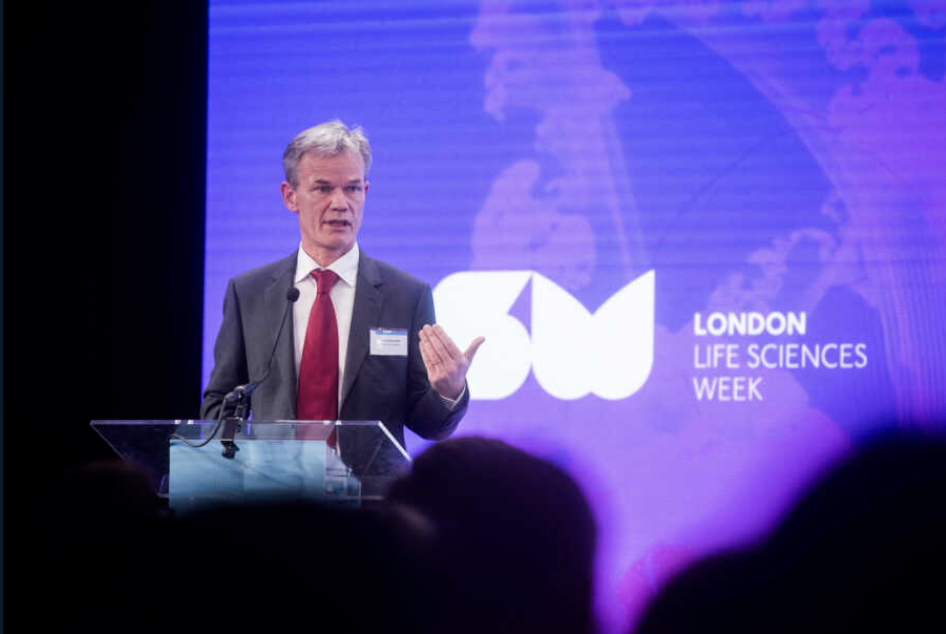
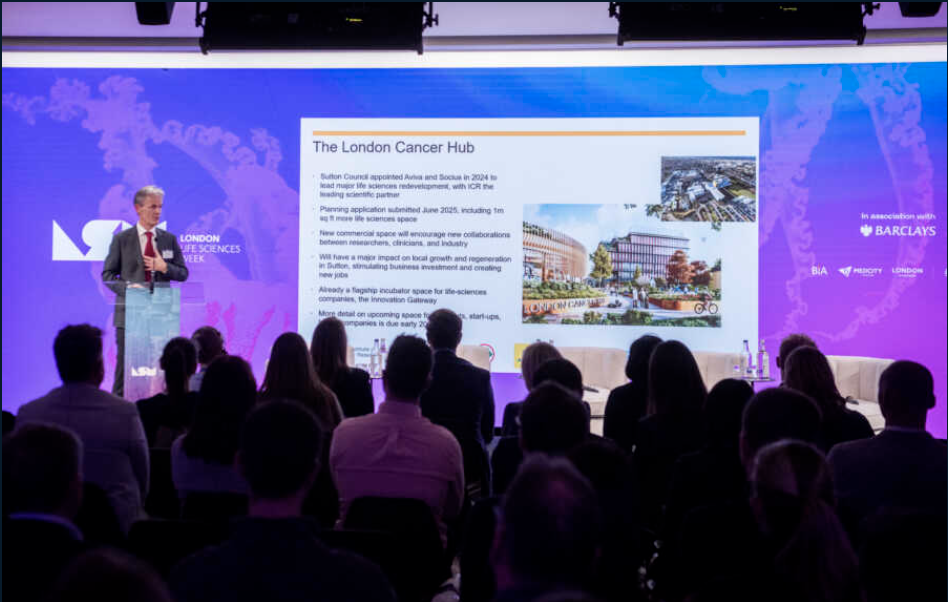
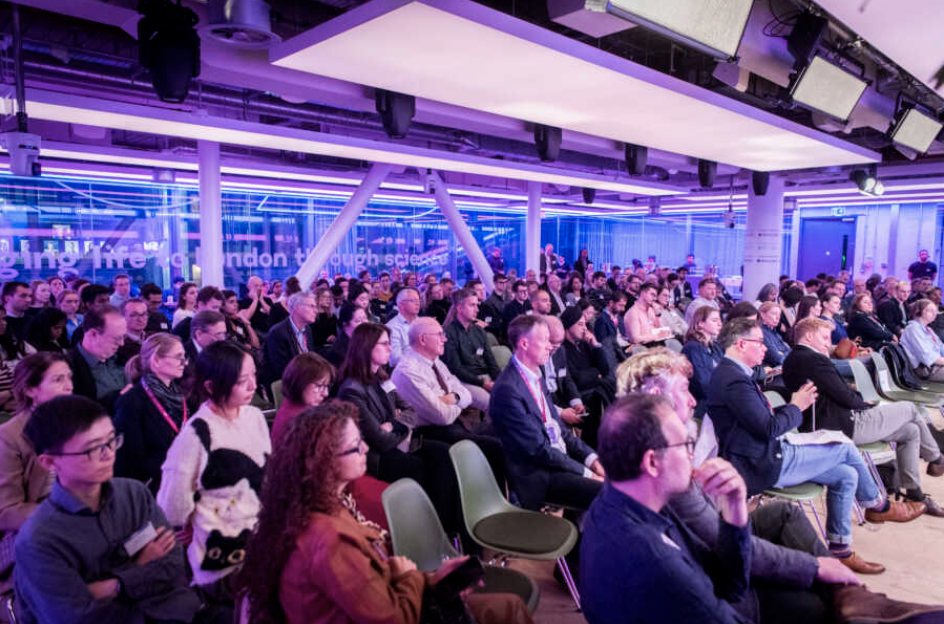
The London Cancer District were proud to host the Conquering Cancer Innovators Forum as part of London Life Sciences Week 2025; a landmark event that brought together leading minds in oncology, research, entrepreneurship, and healthcare to accelerate progress in cancer innovation.

The event welcomed a vibrant community of researchers, entrepreneurs, investors, clinicians, and healthcare system stakeholders and was expertly chaired by Claire Cockerton.

Showcasing London as a Global Oncology Hub

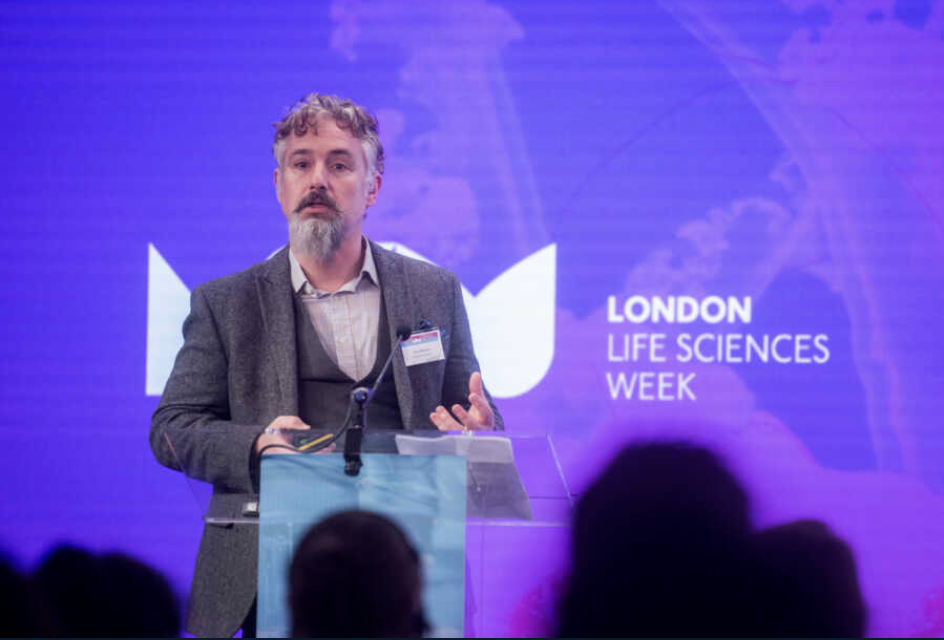
The evening opened with keynote addresses from Prof. Chris Molloy, CEO of Medicines Discovery Catapult, who explored why the UK is fast becoming Europe’s leading oncology innovation hub, and Prof. Kristian Helin, CEO and President of The Institute of Cancer Research, who shared insights from the frontiers of molecular biology and cancer research.

Honest, insightful discussions and collaboration

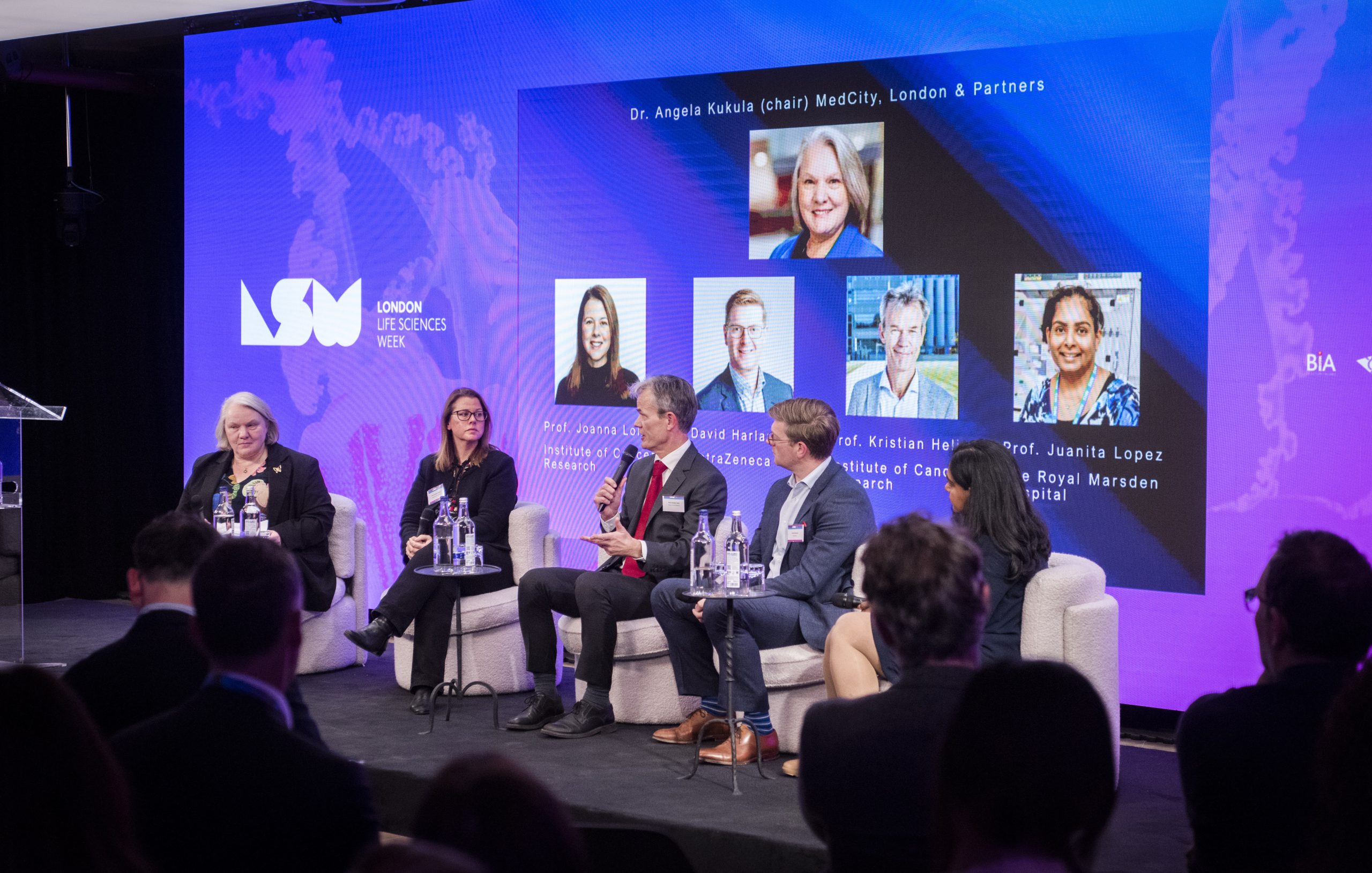
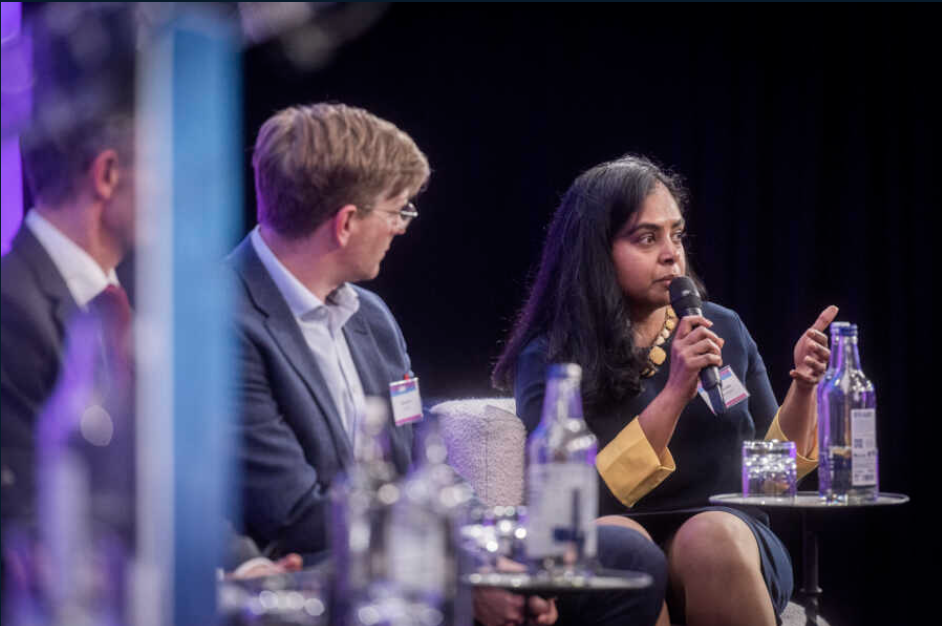
A dynamic panel discussion, chaired by Dr. Angela Kukula of MedCity, brought together Prof. Joanna Loizou, David Harland, Prof. Juanita Lopez, and Prof. Kristian Helin to discuss the next chapter in oncology innovation. The conversation highlighted London’s unique strengths in translating research into clinical breakthroughs, the importance of integrated models combining research, clinical care, and education, and the vital role of collaboration at both local and national levels.

Spotlight on start-ups and patient perspectives

The forum featured rapid-fire presentations from seven pioneering start-ups supported by the Cancer Tech Accelerator, showcasing advances in surgical visualisation, AI-driven drug discovery, novel medical devices, and cancer vaccines. These innovators are tackling some of the most pressing challenges in oncology, from improving surgical outcomes to enhancing drug delivery and reducing toxicity.

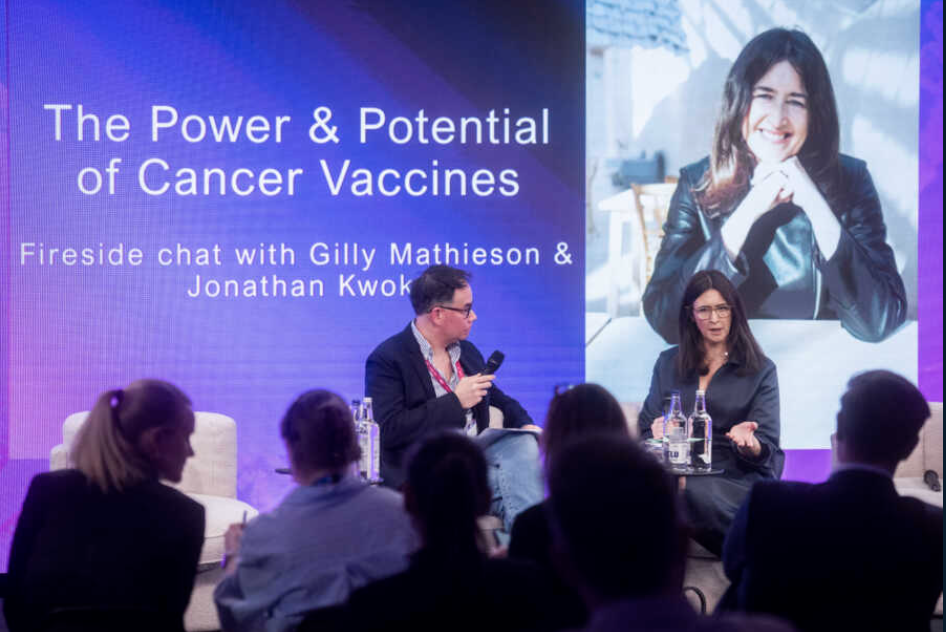
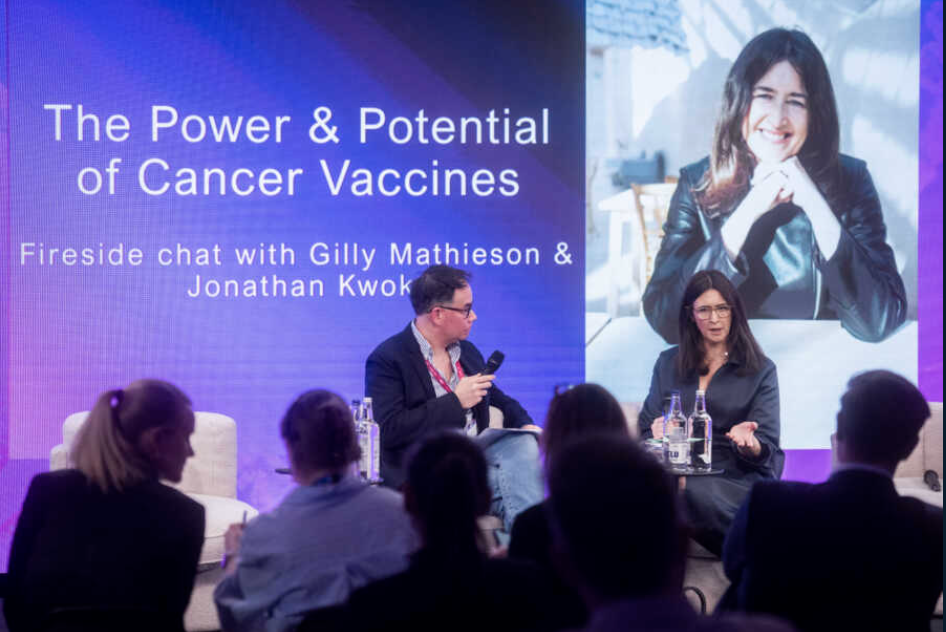
A moving fireside chat brought the patient perspective to the fore, with award-winning journalist and cancer advocate Gilly Mathieson sharing her personal journey and the transformative potential of cancer vaccines, alongside Jonathan Kwok, CEO of Infinitopes. Their discussion underscored the human impact behind scientific breakthroughs and the importance of communication between clinicians, researchers, and patients.

Thank you to everyone who made the Conquering Cancer Innovators Forum a success. Together, we are building a world-class ecosystem for cancer research, innovation, and patient impact.


From structures to science: a month-long celebration of architecture at the London Cancer District

London Festival of Architecture explores how science, community and placemaking are coming together to build a world-class cancer district in Sutton.

The London Cancer District has rounded off a month of celebrations as part of the London Festival of Architecture (LFA) 2025, marking a milestone for Sutton’s growing life sciences cluster.

Throughout June, the festival’s theme of “Voices” was brought to life through a packed programme of creative, scientific and community-led events.

Nearly 300 people from across the country took part, including residents, school groups, researchers and community leaders, offering attendees a glimpse into the future of what will become a world leading cancer innovation district.

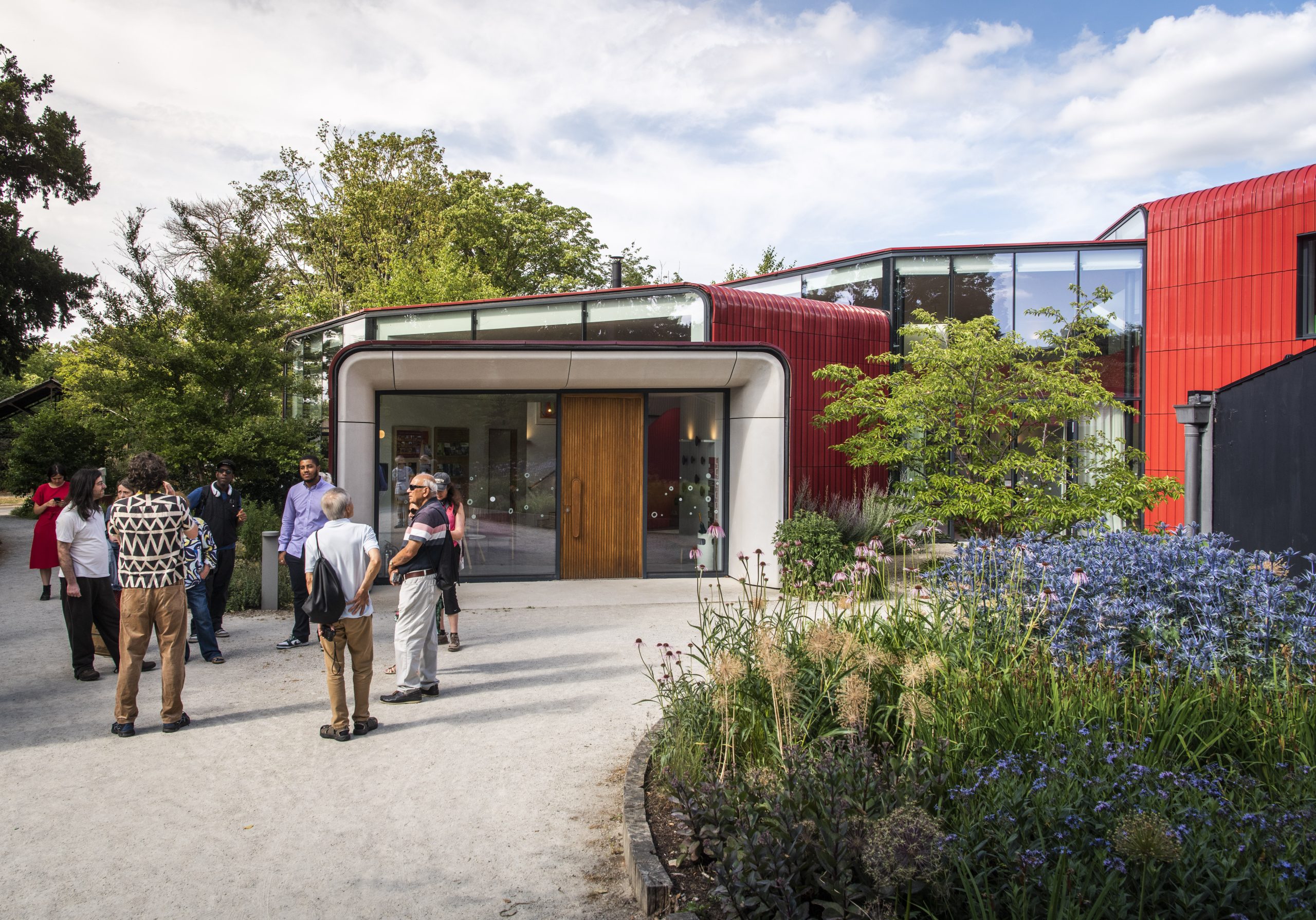
Delivered in partnership with Aviva Capital Partners, Socius, Populate, Sutton Council and institutions across the London Cancer District, the festival programme opened up the campus like never before.

Attendees were given behind-the-scenes access to the London Cancer District, which is already home to The Institute of Cancer Research, The Royal Marsden NHS Foundation Trust, Harris Academy and Maggie’s.

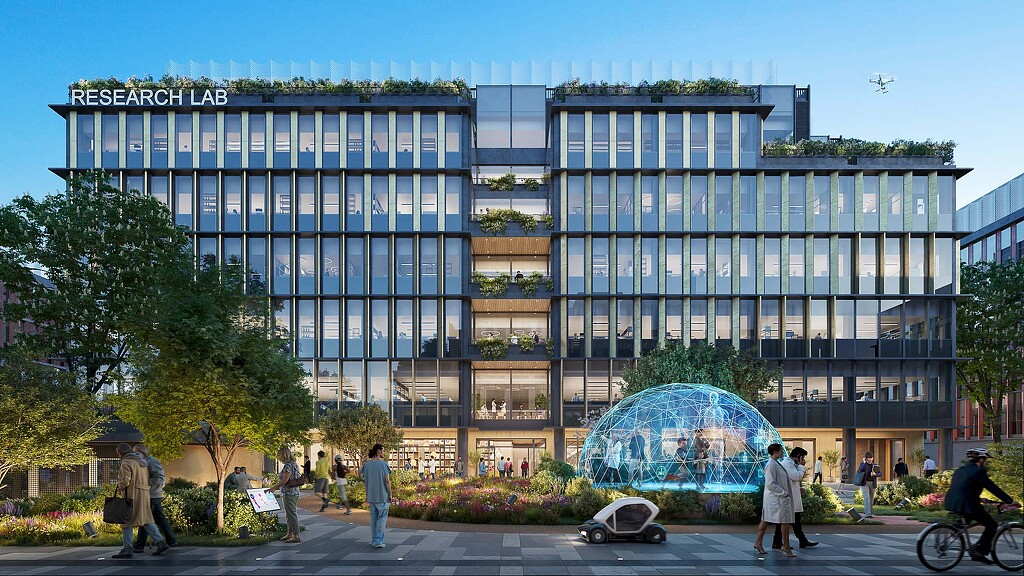
With a £1bn transformation led by Aviva Capital Partners and Socius currently in planning, the events gave visitors a sense of what’s to come, ranging from world-class laboratories and public spaces to pioneering architectural design and community-led placemaking.

Feedback from festival goers was overwhelmingly positive, 100% of survey respondents rated the events favourably and more than 70% said they wanted to stay informed as the District progresses.

Several attendees were surprised by how much was already happening behind the scenes and described their experience of the festival as “inspiring” and “informative”. “I thought I knew the campus,” one visitor remarked, “but I had no idea the vision was this ambitious… or this ‘real’.”

From guided walks and flash-mob dances to architectural talks and science experiments, the festival events offered a chance to connect with developers, researchers, architects, students and local leaders.

Throughout the month-long festival, visitors explored the London Cancer District through:

  • Guided walking tours highlighting the plans for London Cancer Hub’s world-leading architecture, active labs and new public spaces
  • A behind-the-scenes look at the design of Maggie’s building with architect Ab Rogers
  • Lab tours inside the Centre for Cancer Drug Discovery at the Institute of Cancer Research
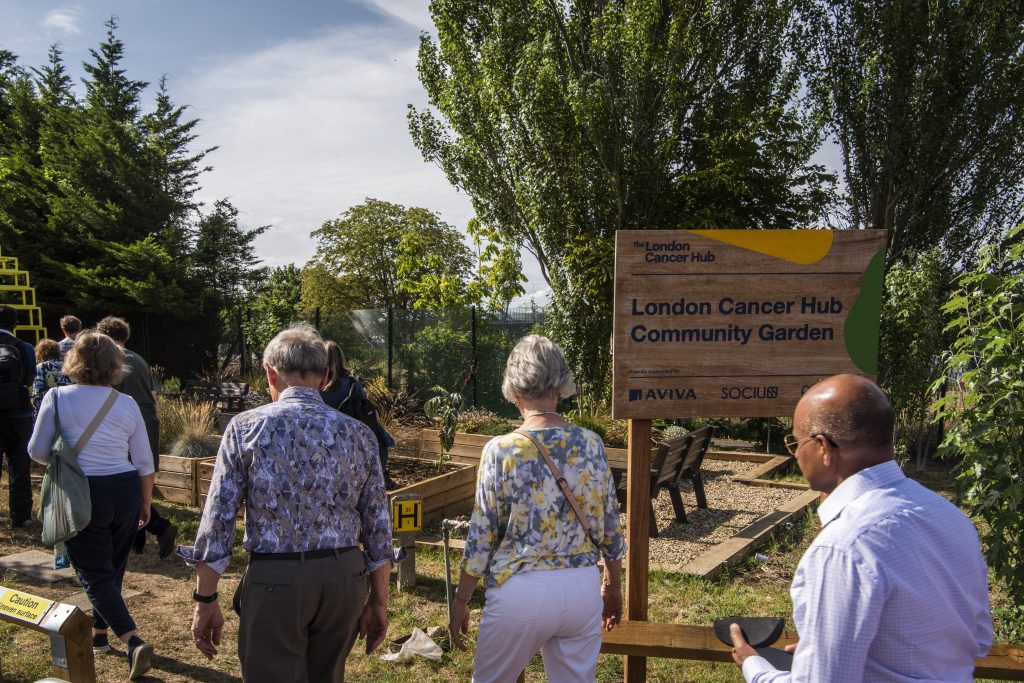
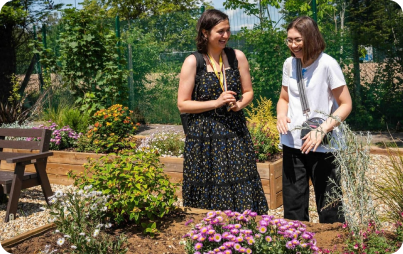
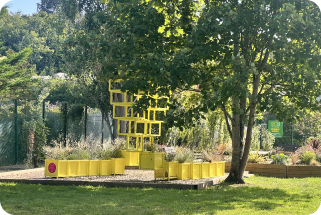
  • A hands-on planting session at the Community Garden, inspired by the Moon Bloom sculpture
  • A flash-mob dance performance of ‘Voices’, a choreographed interpretation of LFA2025’s theme delivered by Sutton Community Dance.

The final event in the programme offered volunteers the chance to leave their mark on the evolving community garden.

As well as provide a tranquil, green area for relaxation for staff, patients and visitors, the space is now home to the striking Moon Bloom sculpture – a collaboration between LFA, London Borough of Sutton, Successful Sutton BID and Adrienne Lau from Edgy Collective, which will serve as a focal point for the garden.

Commenting on the Festival, Councillor Barry Lewis, Leader of Sutton Council, said: “The London Cancer Hub reflects Sutton’s ambition and identity – a place where innovation meets community. This June, we wanted people from across London and beyond to visit and see what’s possible here and be part of shaping its voice and story. We’re really excited to have launched this exciting activity programme for LFA25.”

Olaide Oboh, Managing Director at Populate, added: “The LFA2025 programme brought together all the best of the London Cancer Hub, across science, design and community.

“These events reflect our commitment to inclusive development. Through meaningful engagement and bold placemaking, we’re showing how a forward-thinking built environment can truly improve lives.”

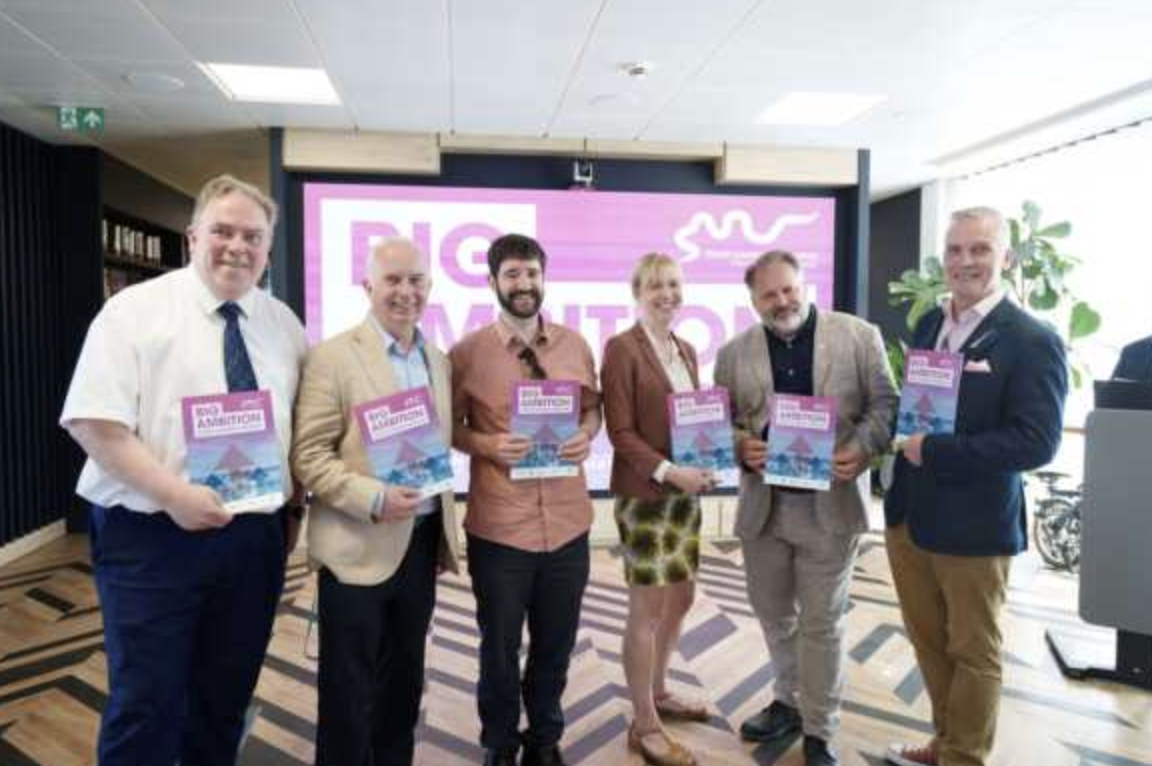
The LFA2025 events also coincided with the launch of BIG Ambition, South London’s strategic vision for growth. London Cancer District featured prominently within the document, seen as a catalyst for job creation, scientific discovery and long-term placemaking.

To provide comments on the live application for London Cancer District (Reference: DM2025/00561), please visit Sutton Council’s planning portal: https://planningregister.sutton.gov.uk/online-applications/applicationDetails.do?activeTab=makeComment&keyVal=SV4P25KC08L00

Photography by Nathan Piccio and Sean Pollock 

London Cancer District developers eye strategy over serendipity, writes Estates Gazette

Evelina Grecenko from Estates Gazette has featured the London Cancer District this week, highlighting its role as a blueprint for future life sciences clusters in the UK. The article explores how the District is creating a globally competitive ecosystem that brings together life sciences companies, The Institute of Cancer Research, and The Royal Marsden to drive innovation, research, and collaboration.

You can read the full article below:

Life sciences is one of the sectors with the greatest growth potential over the next decade, according to the industrial strategy published last week by the UK Department for Business and Trade. Although the government has yet to reveal a bespoke sector plan, the developers behind the London Cancer District have suggested their strategy for the £1 billion  specialist cluster may be reproduced at other sites across the UK.

The London Cancer District has already been named as a leader in cancer research in Europe. It will be the world’s largest cancer life sciences district, once its 12.4-acre expansion, delivered by Aviva Capital Partners and Socius, completes.

Estates Gazette caught up with the stakeholders at the campus to find out how the 10-year plan could help build a globally competitive, self-sustaining, life sciences ecosystem across the country, supporting entrepreneurs to scale and remain in the UK.

A place to start and grow

Last month, outline proposals spanning 974,500 sqft of research and laboratory space, designed by Gensler, were lodged with a move to add critical mass to the campus and help it to cater to innovators from the earliest stages.

The future spaces are expected to build on the success of the Innovation Gateway building, which opened in 2022 offering 6,300 sq ft of incubator space and 3,500 sq ft of labs. It has become home to precision oncology company Curesponse, biotech firm Epistemica, healthtech company Vesynta and anti-cancer targets discovery specialist Vortex Biotech.

The latter recently consolidated its operations to the UK, having closed its facilities in the southern part of the San Francisco Bay Area in the US. The relocation was “a very attractive proposal”, said Paul Reeves, chief executive of Vortex, who told Estates Gazette that “it’s become so expensive over there to be where the action is. In the US, the compound costs on the periphery of the Silicon Valley, ‘and the periphery is still too expensive’, Reeves added.

“If we think about London, we find ourselves within the London Cancer District, on a campus with world-class preclinical and medical institutions, The Royal Marsden Hospital and The Institute for Cancer Research,” Reeves said. “In terms of location, it couldn’t be much better for us. But what we need, and what every life sciences company needs, is high-quality, purpose-built laboratory space – and there’s a shortage of wet lab space in London.”

Vortex was established 12 years ago at the University of California in Los Angeles, but hit its most recent pivot point in 2020, when it was acquired by Net Scientific and EMV Capital. The deal has helped the company to move its technology into commercialisation phase.

Reeves said: “We consider Vortex to still have a startup mentality, because we are on that commercial push right now, but we went through different phases of the business. Sometimes we needed to grow, sometimes we needed to contract, and a lot of life sciences companies face this challenge. Therefore, we’re looking for turnkey solutions so that we can move in and move out without a very long lease making growth or contraction more difficult than it needs to be.”

According to Reeves, lease flexibility is “quite common” in the US, but less so in the UK, with overseas competitors pushing to remove as many obstacles as possible, with involvement at both federal and the state level.

Reeves said: “[At Silicon Valley] it can be as simple as you take a metre of bench space, when you’re at the very early stages, and you can use millions of pounds worth of capex equipment in a core facility which is next door. Then, as you grow, you can take more bench space, or you can have your own dedicated lab. That’s the concept that would make life easier for a life sciences company in the UK.”

Enabling R&D

Through the proposed expansion of London Cancer District, the developers aim to move science occupiers away from the typical co-location model by creating spaces that encourage collaboration.

Olaide Oboh, managing director at Populate, an independently run place management company owned by Socius, told Estates Gazette: “What we really want is an ecosystem where people work together, and find the reasons to be next to one another. The difference between a cluster and an ecosystem is hope – that serendipitously you might all bump into each other and find ways to work. What we want to create is the infrastructure that enables people to collaborate.”

Populate is working with the Institute of Cancer Research and The Royal Marsden Hospital, which sit within the London Cancer District, encouraging them to be more open and allow the existing and future companies on site to use their unique milling rooms as well as get access to clinical trials and tissue culture.

Oboh added: “I think what those institutions have seen is that they can only grow to a limit before they need the private sector to come in and work with them, for them to also grow and thrive.

“We’re running a physical space, Innovation Gateway, we’re managing that building and the tenants, supporting them in their growth ambitions, connecting them with Institute of Cancer Research and The Royal Marsden Hospital, but also with other parts of the science ecosystem across London.”

Driving innovation

Having mixed all the necessary ingredients to create a thriving innovation environment within a single specialist cluster, the next challenge is to make sure they’re interconnected.

Oboh said: “I think there’s not enough collaboration between the major science parts of the UK. We should be talking to one another; we should partner and work together so that we’ve got a united voice about what we think is important.”

Jon Wilkinson, director of business and innovation at the Institute of Cancer Research, added: “We’ve got researchers working in different labs, focused on their own thing, but when they come together new research ideas, collaborations and opportunities come forward. So creating an open, flexible and engaging framework for clinicians to come together with manufacturing people, data people, math-driven people, biologists, is key for the exciting stuff to happen.

“That’s one of the parts that government can do. I think the other bit is if we look at the base of the research we’ve got in the UK, it’s globally competitive but the size of investment through the different stages to grow companies tends to be a bit smaller.”

So far, the UK government has committed to support development of the innovation sectors through increased funding for small- and medium-sized enterprises as well as investment in technology training, engineering, digital and defence skills. The industry is awaiting the bespoke Life Sciences Sector Plan to guide further growth journey through to 2035.

We’re hiring: Building & Community Manager (Fixed-Term, 19 Months)

Populate, part of the Socius group, is looking for a dynamic and personable Building & Community Manager to lead both the operational and community-facing functions at the Innovation Gateway, a state-of-the-art facility at the heart of the London Cancer Hub.

This is a unique opportunity to shape a new destination for life sciences, research, innovation, and community activity. You’ll be the on-site lead for building operations and a key figure in fostering a vibrant, inclusive community.

Key roles & responsibilities 

  • Manage day-to-day building operations, ensuring safety, compliance, and high-quality service.
  • Support tenants and visitors, oversee facilities and service providers.
  • Lead on Health & Safety, emergency preparedness, and building compliance.
  • Coordinate hireable spaces and manage access systems.
  • Build relationships with local stakeholders and act as the public face of London Cancer District.
  • Plan and deliver community events and creative programming.
  • Report on building performance, budgets, and engagement outcomes.

Candidate requirements 

  • Organised, proactive, and confident in managing both operations and engagement.
  • Skilled in Health & Safety, contractor oversight, and stakeholder communications.
  • Experienced in community engagement and event delivery.
  • Local to Sutton, Belmont, or nearby areas (preferred).
  • A team player who can also work independently.

Why Join Us?
You’ll be part of a passionate team shaping one of the UK’s most exciting life sciences destinations. This role offers the chance to make a real impact — socially, operationally, and creatively.

Location: Innovation Gateway, London Cancer District, Sutton
Start Date: July 2025
Contract: Fixed-term (July 2025 – December 2026)
Application Deadline: 25 July 2025
Apply: Cover letter & CV to victoria.birks@socius.dev

Sutton school nets new sports equipment following donation

London Cancer District donates football goals to Harris Academy

The London Cancer District has donated new sports equipment to Sutton’s Harris Academy.

Following the donation from Aviva Capital Partners, the new set of high-quality 5-a-side football goals will benefit hundreds of students each week, providing opportunities for structured physical activity and informal play on the school’s busy multi-use games area.

The donation will support PE lessons across the secondary school; supporting curriculum delivery, break-time activities and occasional use by local community groups.

The donation forms part of London Cancer District’s wider programme of social impact and community support, a range of interventions delivered through the development, which have been designed to improve health, education and wellbeing for residents in and around the Borough.

The news follows the recent planning approval of padel courts at London Cancer District. Operated by Social Sports Society, the new four-court facility will also offer free hours for Harris Academy students to use when it opens later this summer.

Joe Cutress, Director of Sport and Wellbeing at Harris Academy Sutton, welcomed the donation: “We’re grateful for the ongoing support from London Cancer District, Aviva Capital Partners and Socius. With no grass fields on-site, our students rely heavily on the concrete games area for physical activity.

“The goals have been in constant use since the donation, ranging from lively lunchtime matches to structured lessons. Our old goals kept falling down and had become a safety hazard, so having brand new ones helps us to sustain high levels of physical activity. Our students absolutely love their football!”

Daniel May, director at Socius, said: “As a team, we want to create meaningful impact through the spaces we shape. This donation is an example of how we can build deeper ties with local communities while enhancing opportunities for young people in the area.

“This is the latest in a series of community investments by the team behind London Cancer District, which has included local volunteering, student placements and a grants programme. Aligned with the London Cancer District’s objectives, supporting active, healthy lives is also at the centre of our activation strategy and we’re excited to see how the students will benefit from the donation in the months to come.”

Growth, jobs and investment: South London sets bold ambition with landmark new vision

A bold new vision to accelerate South London’s economy, attract new investment, and support more people into well-paid, secure jobs, was launched today by the South London Partnership.

BIG Ambition: South London Growth, unveiled at a launch event in Wimbledon with London’s Deputy Mayor for Business, Howard Dawber, outlines a shared commitment by the boroughs of Croydon, Kingston, Merton, Richmond and Sutton to deliver long-term, locally driven growth — driving forward sectors such as health and life sciences tech, creative and digital industries, environmental innovation, and advanced manufacturing.

Councillor Gareth Roberts, Chair of the South London Partnership and Leader of Richmond Council, said:

“Our sub region is already a £38 billion economy, home to more than 1.2 million residents, 55,000 businesses and 550,000 jobs.

“This statement showcases South London’s vital role in generating polycentric growth and the bold ambition that all the South London Partnership leaders share for our places. It focuses on what South London is already doing well and sets a clear direction for the decade ahead.

“South London already has the talent and institutions to be one of the most productive and innovative parts of the country. But we need targeted investment and better connectivity to realise our ambitions for local people and businesses over the next 10 years. Growth can’t just be for the few — we want it to be inclusive, sustainable and built from the ground up,” said Councillor Roberts.

BIG Ambition: South London Growth builds on the Mayor of London’s Growth Plan and makes a strong case for further devolution of funding and powers to support locally led delivery. It sets out clear actions to:

  • Boost innovation and productivity through stronger links between businesses and universities;
  • Deliver more high-quality jobs, especially in growing sectors such as life sciences, digital and creative industries, and low-carbon technology;
  • Improve transport and digital infrastructure and connectivity, with a focus on orbital routes and full fibre;
  • Support people into work through better coordination of skills, health and employment services;
  • Promote South London as a destination for investment, enterprise and cultural activity.

Deputy Mayor for Business Howard Dawber welcomed the statement.

“The Mayor and I remain dedicated to working in partnership to ensure the benefits of London’s growth benefits every part of the city — and that together, we can continue building a fairer London for everyone.

“Following the launch of the London Growth Plan earlier this year, I welcome the South London Partnership’s Growth Ambition which sets out a vision that reflects the real strengths of South London – its talent, innovation and potential,” he said.

Laura Citron, CEO of London & Partners, London’s growth agency, added:

“South London has a vital role to play in the city’s growth over the next ten years. From advancing its global centres for frontier innovation such as Sutton’sLondon Cancer District, to its six universities which produce skilled graduates, the area is helping to shape the city’s future.

“As home to some of London’s largest green spaces, most recognisable historic sites and sporting venues, and thriving high streets, South London possesses a world-class experience economy. A key growth area in the London Growth Plan, we are proud to be part of the effort to develop this sector over the next decade, creating resilient, sustainable, and inclusive growth in South London, as we champion polycentric growth across our city.”

The South London Partnership is now calling on government and investors to match its ambition — by backing key infrastructure projects, investing in people and skills, and supporting innovation across the region.

Councillor Roberts said: “Our boroughs and all our South London strategic partners are working together with a shared sense of commitment. We have a clear vision, we have partners — now we need the backing to make it happen.

“This is South London’s moment. With world-class institutions, a diverse and skilled population, and a strong local economy, we are already at the forefront of innovation, enterprise and sustainable growth.”

Creating opportunities for Sutton’s aspirational students

As part of London Cancer District’s social impact commitments, the development’s project team held a series of work placements over half term to provide experience for local students.

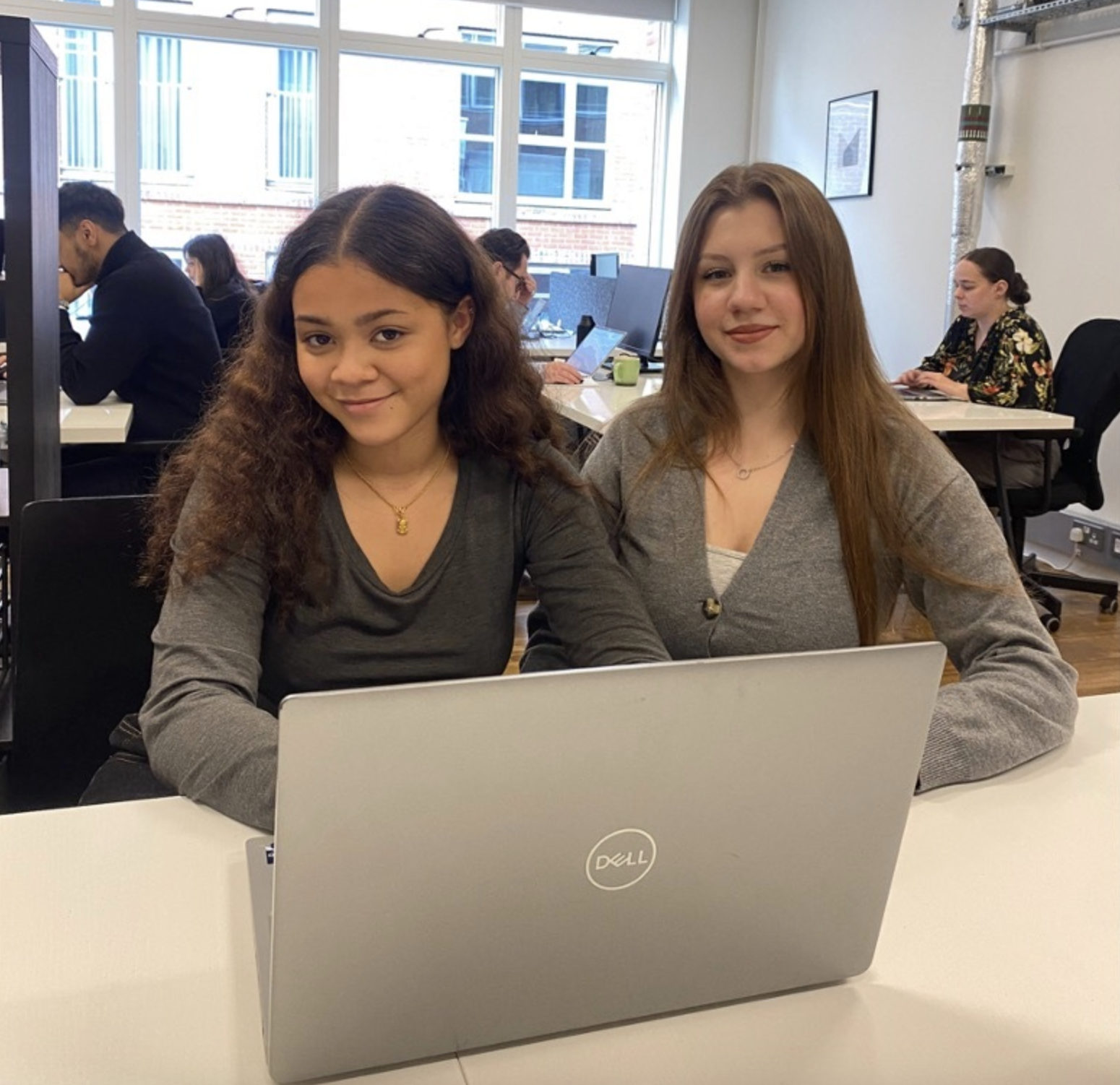
Communications consultants Meeting Place brought marketing students Natiah and the London Cancer District.

Tetiana and Natiah reflect on their placement…

Natiah:”Stepping into the world of marketing is more than just learning theories—it’s about applying those ideas to make a real impact. For us, our work experience with Meeting Place opened the doors to meaningful projects and hands-on learning that shaped our understanding of the sector.”

Learning through immersion

Tetiana: ”I wanted to see how my academic knowledge translated into the real world. From market research to campaign analysis, I quickly learned that practical experience was the key to deepening my understanding.

“One of my major tasks was helping to develop creative engagement strategies for The London Cancer District ahead of the third round of engagement. We had a site visit, gathered information and brainstormed ways to connect with staff, the local community, and young people. And, as we live locally, I think we were very well placed to help.

“Turning those ideas into a PowerPoint presentation was a challenge, but it was great to create something that had real-world relevance for a live project which will impact our community.”

Natiah shared a similar excitement about gaining real-world insights.

Natiah: “I applied for the opportunity hoping it would prepare me for my future studies in communications and give me a better idea of how the marketing industry operates.

“During our time at Meeting Place, we got to learn about projects like The London Cancer District and brainstorm how it could serve the community. It was eye-opening to see marketing at work beyond the classroom walls.”

Mastering the art of communication

Tetiana: ”One of the most valuable lessons we both learned was the importance of effective communication. I had the opportunity to create a press release that conveyed important information in a way that was informative yet engaging.

“Writing a press release taught me the importance of language being clear and engaging, and how to get people excited about what’s happening.”

Natiah also took a deep dive into communication, especially around the concept of social impact.

Natiah: “We met with Ruth, Meeting Place’s Social Impact lead, who explained how developments like the London Cancer District could transform communities. With Ruth’s support, we wrote social impact assessments which explained these benefits. It was all about making what might seem like complex ideas relatable and showing people why this development matters.”

Proposing ideas that impact communities

The London Cancer District project gave the duo a chance to apply their creative thinking to address real community needs.

Tetiana: “One of my most meaningful contributions was suggesting ways to use the development space to benefit nearby residents. I proposed creating a sports field using some of the site’s greenery for a school. I also suggested an innovation hub where local professionals and groups could hold important meetings. These ideas weren’t just abstract, they demonstrated the potential for thoughtful design to bring people together.

Reflections on the journey

Natiah: “Looking back, I’m grateful for the experience, which allowed me to develop my communication and time management skills.

“I learned to structure my work and manage my time better, and I discovered what kind of marketing roles might suit me in the future. I feel grateful to Meeting Place for giving me a glimpse into what marketing professionals actually do, as it will help me to make a more informed decision on what I want to pursue after my studies.”

November – Engagement

Since we shared the updated proposals for London Cancer District in July, there has been a lot of activity with local youth groups, charities, schools and science community.

We have listened to your feedback and our forthcoming consultation events will demonstrate how we have updated the designs to address your comments on:

  • Traffic and transport
  • Accessibility for diverse users within the community
  • Sustainability and social impact
  • Local amenities for the community

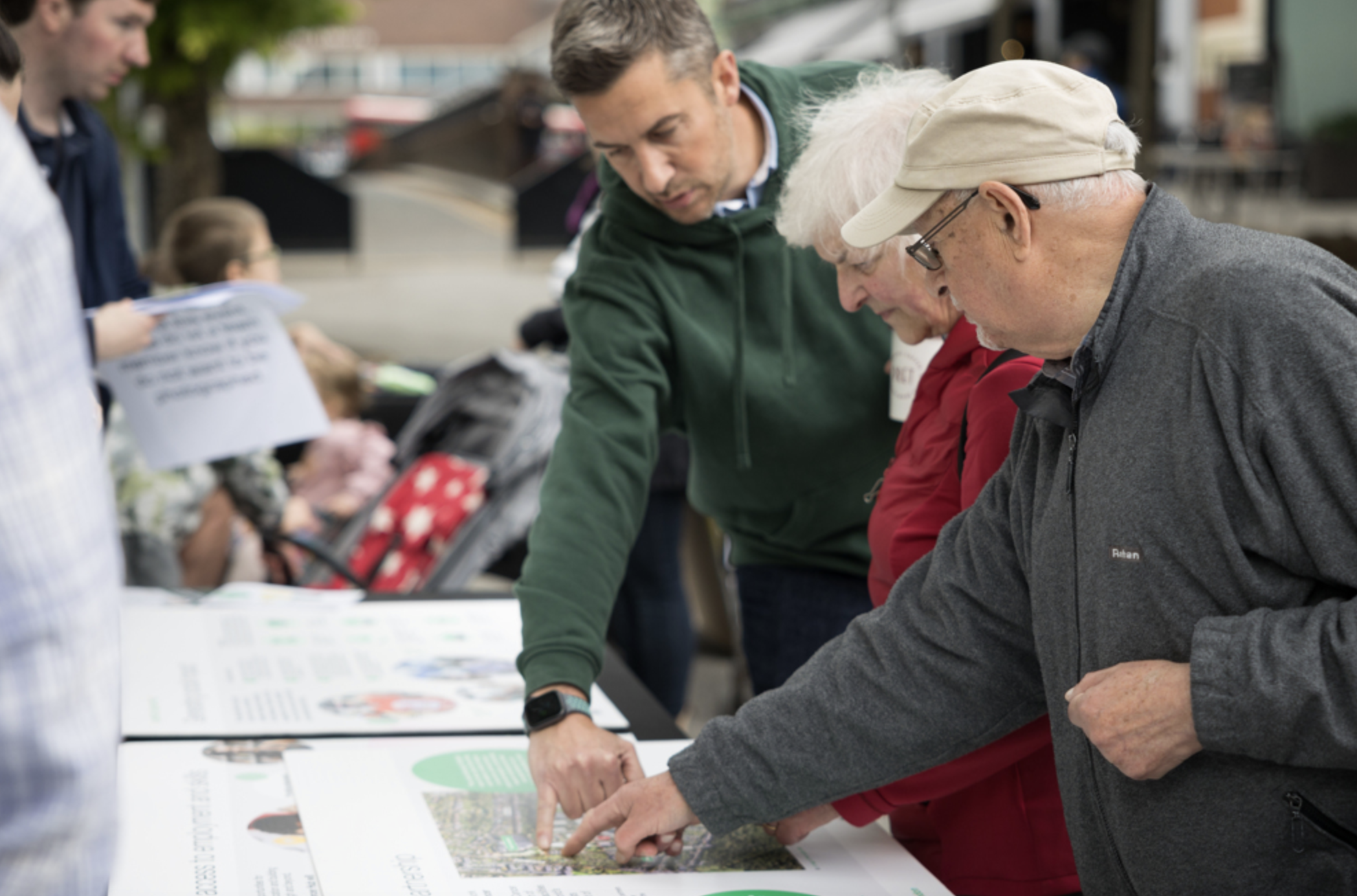
You can attend one of our events (see below), to explore how the plans are evolving and get involved. We’ll also have seasonal bulb-planting activities for people of all ages to enjoy.

The materials that will be displayed at the consultation events will be uploaded to the project website on Wednesday 13 November.

We look forward to seeing you there.

Thursday 14 November
5:30pm – 8:30pm
Harris Academy Sutton
2 Chiltern Road
SM2 5QP

Saturday 16 November
10:00am – 2:00pm
St Nicholas Shopping Centre
Level 1 & Level 2
3 St Nicholas Centre
Sutton SM1 1AW